

What’s a pedicure? It’s a professional foot treatment that combines skincare and nail care: your feet are soaked, exfoliated, and massaged, your toenails are trimmed, shaped, and polished, and rough calluses are smoothed away. More than a beauty service, a pedicure keeps feet healthy — improving circulation, preventing ingrown toenails, and catching early signs of foot problems before they turn serious.
What does a pedicure include?
What’s a pedicure made of, step for step? A standard pedicure includes a warm foot soak (5–10 minutes), toenail trimming and shaping, cuticle care, callus removal with a pumice stone or foot file, a foot and lower-leg massage, moisturizer application, and nail polish. The whole thing takes 30–45 minutes for a basic pedicure and 60–90 minutes for a spa version with extended massage and treatments.
The 6 types of pedicures
Six pedicure types are offered at most nail salons — but what’s a pedicure type, really? They all start with the same core steps; what separates them is what gets added after — massage time, polish type, and skin treatments.

1. Classic pedicure.
The foundation every other type builds on: soak, exfoliate, trim and shape the toenails, push back cuticles, file away calluses, a brief foot massage, and regular polish. It costs $35–$50 and takes 30–45 minutes. If you’re still asking what’s a pedicure beyond a polish change, this is the one to book first — it’s the baseline for foot maintenance and hygiene.

2. Spa pedicure.
A classic pedicure upgraded into a self-care ritual: everything in the basic version plus an exfoliating scrub, a nourishing foot mask, a hot towel wrap, and a 20–30 minute extended massage. Expect to pay $60–$100 and spend 60–90 minutes in the chair. For anyone wondering what’s a pedicure that actually melts stress, this is it — the pedicure you book when your feet are tired, your heels are rough, or you simply need an hour of pure pampering.

3. Gel pedicure.
Identical prep to a classic pedicure, but the polish is a UV-cured gel instead of regular lacquer — giving a chip-free, high-gloss finish that lasts 2–4 weeks without dulling. It runs $45–$80, about $15–$20 more than a basic pedicure at the same salon. What’s a pedicure upgrade that pays for itself? This one — for vacations, sandal season, or anyone who wants to go longer between appointments without chipping.

4. French pedicure.
The classic pedicure steps finished with the timeless French look: a sheer pink or nude base with crisp white tips on each toenail. It costs $35–$65 and the polish wears like a regular pedicure, 5–7 days before chipping. Clean, elegant, and appropriate for every occasion from weddings to job interviews — if you’re asking what’s a pedicure that works for literally everything, start here.

5. Paraffin wax pedicure.
Everything in a classic pedicure plus a warm paraffin wax dip: your feet are coated in thin layers of heated, oil-based wax that traps moisture and softens even badly cracked heels. The wax is known for easing joint and muscle pain too. At $55–$90, it’s the pedicure to choose for very dry skin, winter months, or heels that regular lotion can’t fix.
6. Medical pedicure.
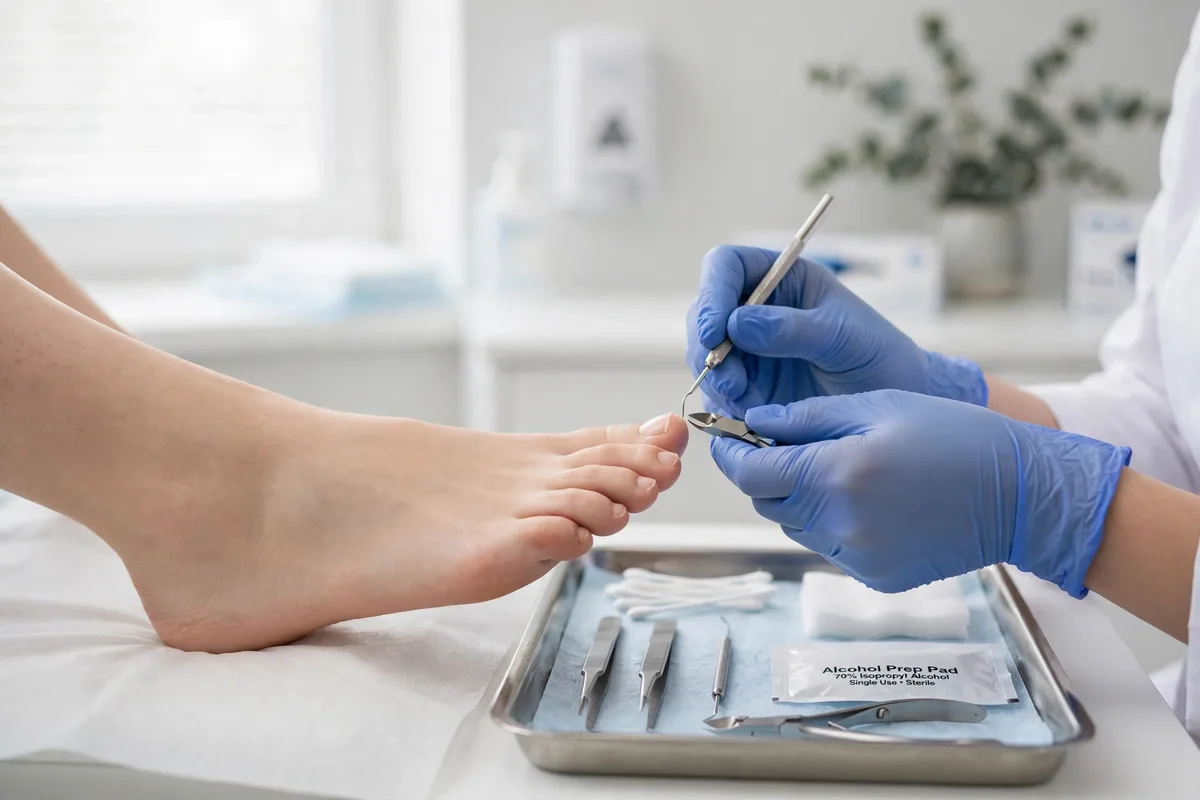
Performed in a sterile clinical setting by a licensed specialist or podiatrist rather than a salon technician. It addresses corns, severe calluses, ingrown toenails, and fungal conditions — essential for diabetics and anyone with circulation issues. At $75–$150 it’s the priciest option, but for medical foot concerns it’s the only safe choice.
📌 Planning your next pamper session?
Pin this pedicure guide to your self-care board so the type breakdown is waiting when you book.
How to choose the right pedicure
What’s a pedicure worth paying extra for? It depends on your feet, not the menu. Use this framework: if your feet are healthy and you just need maintenance, book a classic. If your heels are rough or you’re stressed, the spa version’s scrub and extended massage earn the upgrade. Need the color to survive a vacation? Gel. Cracked heels in winter? Paraffin. Any medical concern — diabetes, ingrown nails, fungus — skip the salon and book a medical pedicure.
| Your situation | Book this | Why |
|---|---|---|
| First pedicure / routine upkeep | Classic ($35–$50) | Covers all essentials in 30–45 min |
| Tired feet, rough heels, need pampering | Spa ($60–$100) | Extended massage + scrub + mask |
| Vacation or 3+ weeks between visits | Gel ($45–$80) | Chip-free for 2–4 weeks |
| Wedding or formal event | French ($35–$65) | Clean, timeless look |
| Cracked heels, very dry skin | Paraffin ($55–$90) | Deepest moisturizing treatment |
| Diabetes, ingrown nails, fungal issues | Medical ($75–$150) | Only safe option — sterile, clinical |
Whatever you choose, what’s a pedicure if not an hour invested in the feet that carry you everywhere? Match the type to your need, not the fanciest name on the menu.
The pedicure process, step by step
Knowing what’s a pedicure appointment actually involves takes the nerves out of a first visit. Here’s the standard salon sequence:
- Soak. Your feet rest in a warm spa basin — usually with Epsom salts or essential oils — for 5–10 minutes. The warm water softens skin, nails, and cuticles so every step after is gentler.

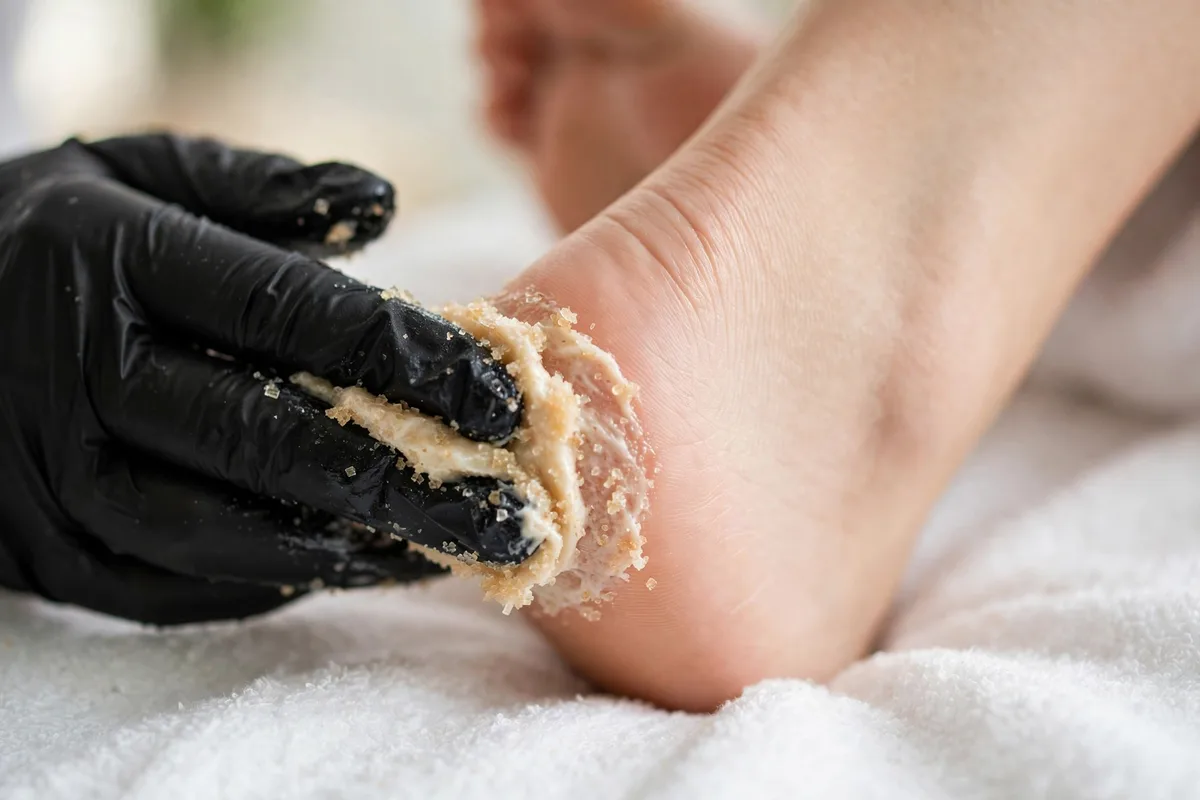
- Exfoliate. The technician works an exfoliating scrub or foot file over your soles and heels to lift dead skin. Feet skin is much thicker than hand skin, so this step uses heavier tools like pumice stones.
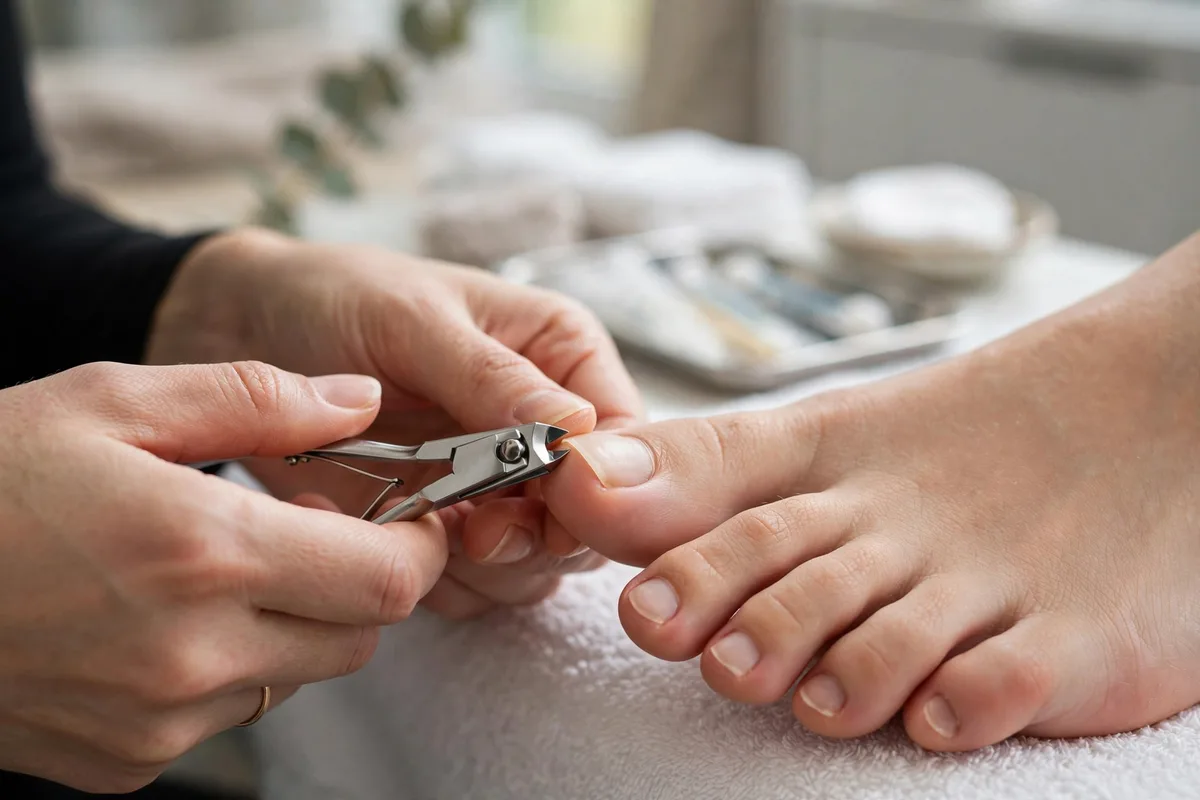
- Trim and shape toenails. Nails are clipped with professional sterilized clippers — cut straight across, never curved, to prevent ingrown toenails — then filed smooth at the edges. Don’t trim your own nails before the appointment; leave it to the technician.
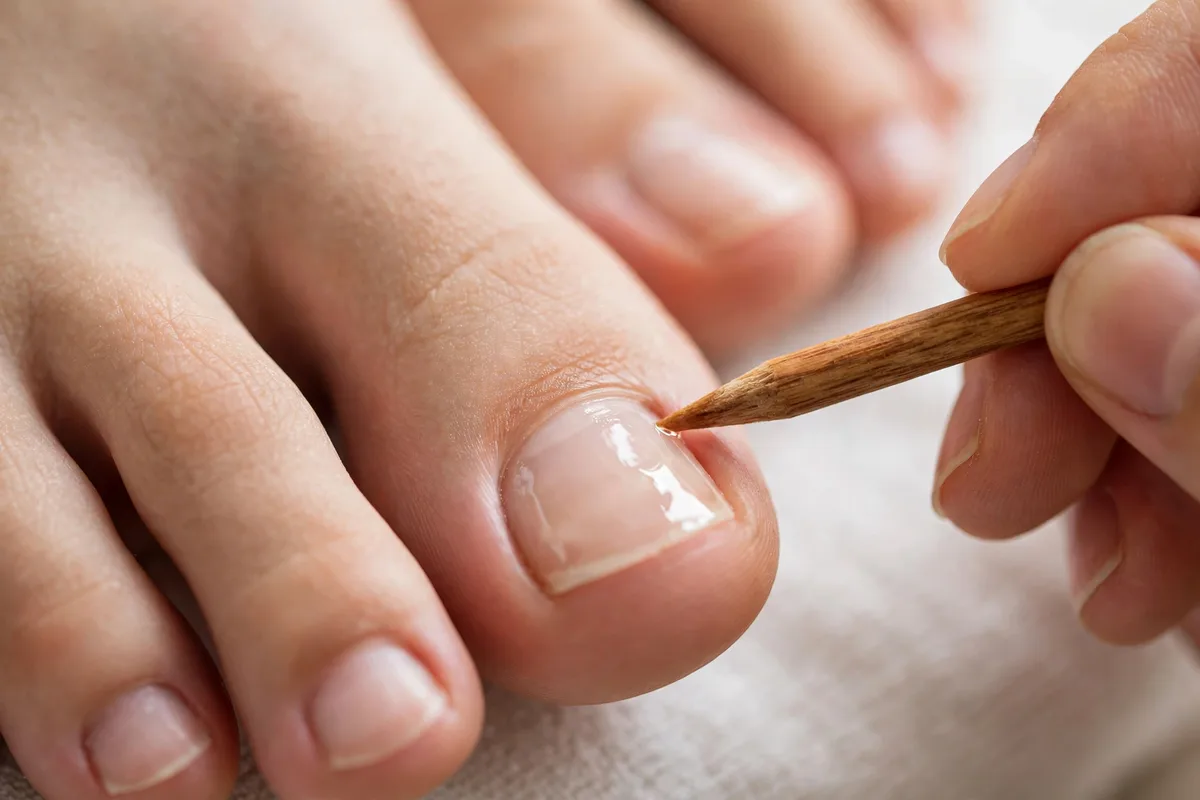
- Cuticle care. Softened cuticles are gently pushed back with an orangewood stick or pusher, and cuticle oil is applied to protect the nail matrix. Sharp cuticle tools must be sterile — a sharp, clean tool prevents hangnails and infection.
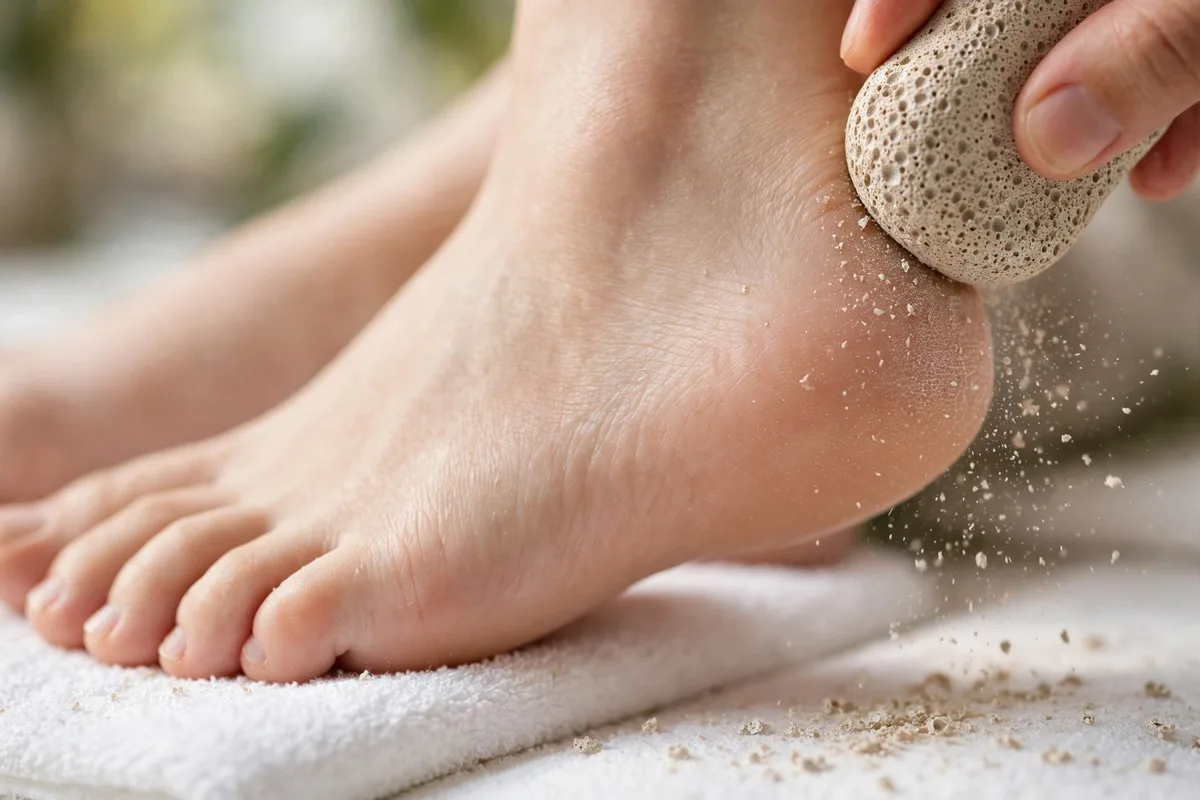
- Callus removal. A pumice stone or foot rasp smooths rough calluses on heels and the balls of the feet. This isn’t just cosmetic — removing pressure points changes how comfortably you walk and stand.
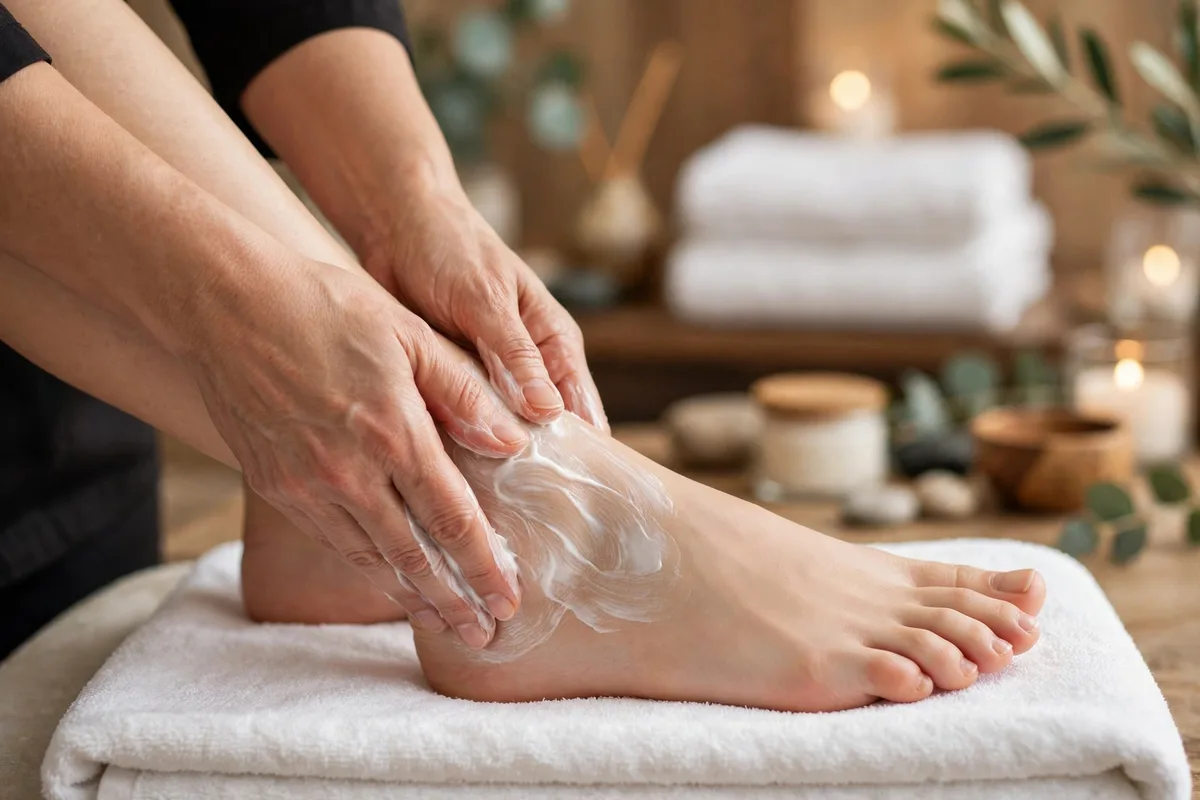
- Massage and moisturize. A hydrating cream is massaged into your feet and lower legs. Beyond feeling wonderful, the massage stimulates blood flow — real relief if you spend long hours on your feet.
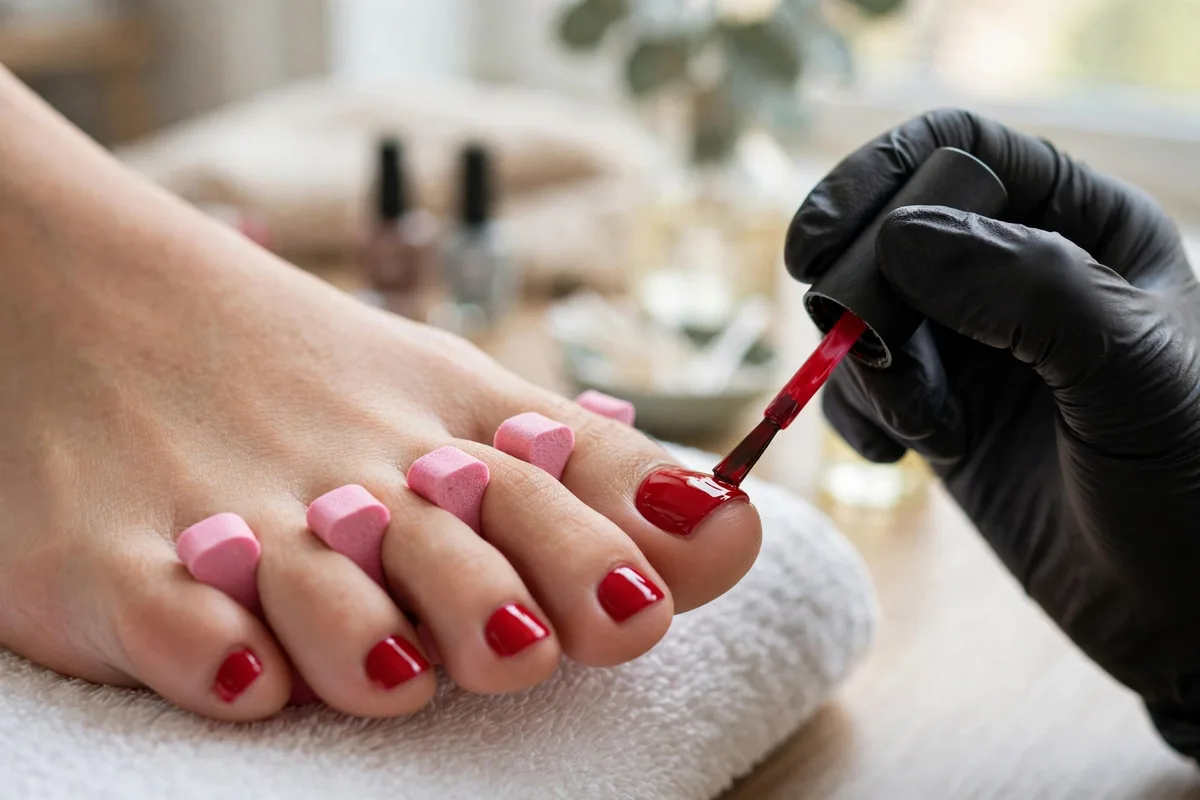
- Polish. Toe separators go on, then base coat, two thin color coats, and a high-shine top coat. With regular polish, allow 20–30 minutes of drying before closed-toe shoes — gel is instantly dry after its final UV cure.
Benefits of regular pedicures
Asking what’s a pedicure actually good for? A pedicure every 4–6 weeks does more than keep polish fresh. The documented benefits include:
- Improved circulation — foot massage stimulates blood flow in feet and lower legs, easing pain and swelling.
- Callus and dead-skin control — regular removal prevents painful buildup that changes how you walk.
- Ingrown toenail prevention — proper straight-across trimming is the main defense against ingrowns.
- Infection prevention — clean, exfoliated feet resist athlete’s foot and fungal growth; technicians also spot early warning signs.
- Stress relief — the soak, scrub, and massage are a genuine hour of relaxation with measurable mood benefits.
For the full professional breakdown of timing and longevity, Woman & Home’s guide quotes working manicurists on how long each pedicure type takes and how often to book.
Salon vs at-home pedicures
What’s a pedicure you can do at home? Absolutely — you’ll need a basin, soak products, a nail file, clippers, a foot rasp, cuticle oil, foot cream, toe separators, and polish. The at-home version costs almost nothing per session, but it takes longer and you’ll never match a technician’s massage or callus work. Salon pedicures also win on hygiene when tools are properly sterilized — a real risk at home if you share tools or skip disinfecting.
One more salon essential: tipping. Tip 15–20% of the service price — that’s $6–$8 on a $40 classic pedicure, $11–$15 on a $75 spa pedicure. If you booked through a discount deal, tip on the full retail price, not what you paid. For a complete cost and type comparison, Groupon’s 2026 pedicure guide breaks down all six types with current pricing.
FAQs
What does a pedicure include?
What’s a pedicure made of at minimum? A standard pedicure includes a warm foot soak, toenail trimming and shaping, cuticle care, callus removal with a pumice stone or foot file, a foot and lower-leg massage, moisturizer application, and nail polish.
How often should you get a pedicure?
If you’re wondering what’s a pedicure cadence worth keeping, most nail technicians recommend a pedicure every 4–6 weeks to maintain healthy nail length, smooth skin, and well-kept cuticles. In summer, when feet are more exposed, every 3–4 weeks is common. Don’t go longer than 8 weeks — callus buildup will add time and cost to the next visit.
How much does a pedicure cost?
What’s a pedicure going to cost you? A basic pedicure costs $35–$50 at most nail salons. Spa pedicures run $60–$100, gel pedicures $45–$80, French $35–$65, paraffin $55–$90, and medical pedicures $75–$150. Prices run 30–50% higher in major cities like New York or Los Angeles.
What’s the difference between a basic and a spa pedicure?
A basic pedicure covers the core steps — soak, nail trim, cuticle care, callus removal, brief massage, and polish — in 30–45 minutes. A spa pedicure adds an extended 20–30 minute massage, an exfoliating scrub, a moisturizing foot mask, and a hot towel wrap, running 60–90 minutes. The difference is massage and treatment time, not the nail work.
How long does a pedicure last?
A pedicure generally looks good for 2–4 weeks, depending on polish type and lifestyle. Regular polish may start chipping within a week on active feet, while gel pedicures stay chip-free for 2–4 weeks. The skin benefits — smooth heels, shaped nails — last the full 4–6 weeks until your next appointment.
What’s a pedicure, in the end? It’s the rare beauty treatment that’s genuinely good for you — an hour that leaves your feet healthier, your nails flawless, and your stress measurably lower. Pick your type from the guide above, book every 4–6 weeks, and your feet will carry you better for it.
When’s your next pedicure? Tell us in the comments — and if you loved this guide, keep exploring: