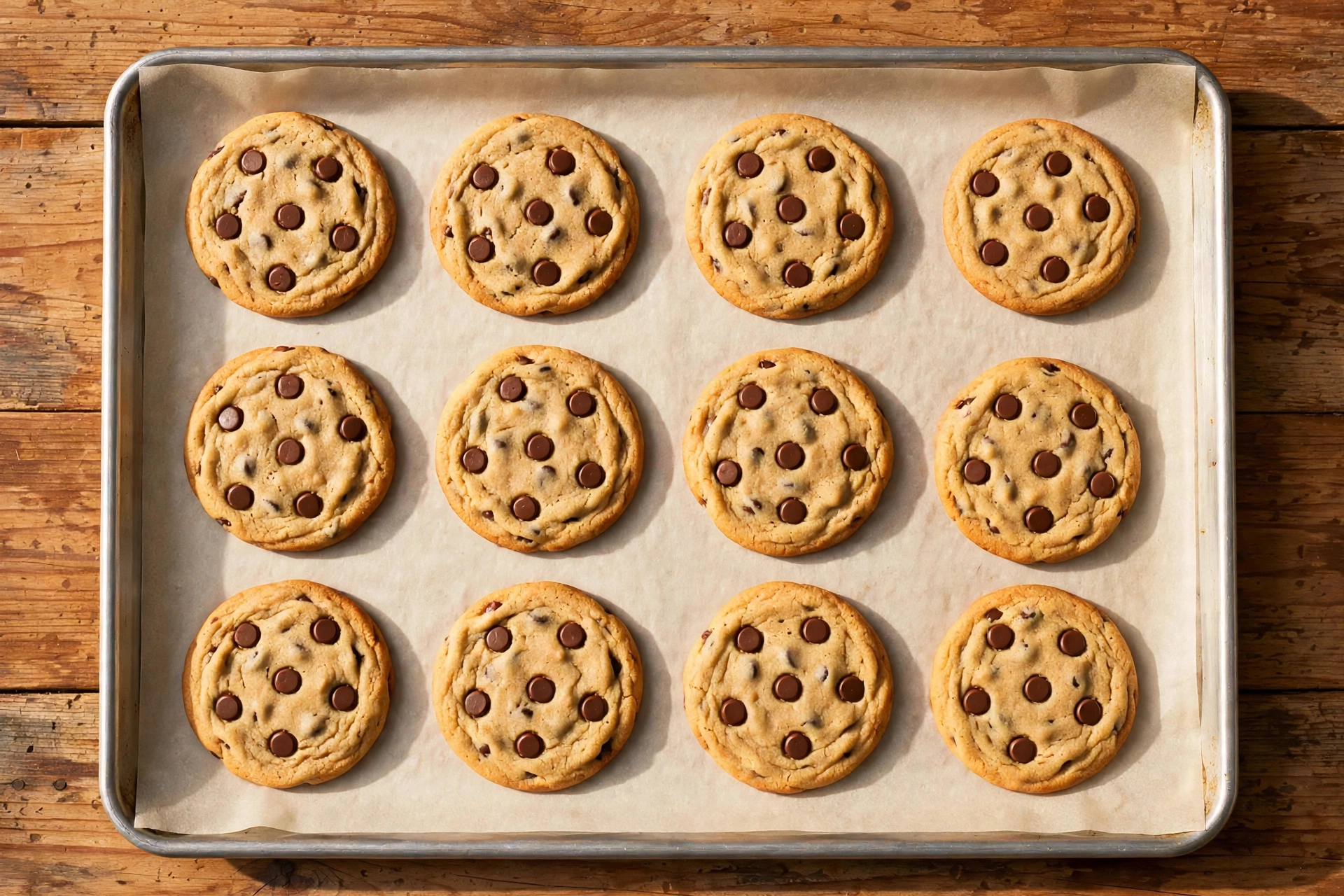
Protein cookie dough is a no-bake snack made from oat flour, vanilla protein powder, nut butter, maple syrup, and chocolate chips — no eggs, no raw flour once heat-treated, and it tastes like real cookie dough. This version mixes in one bowl in 5 minutes and rolls into scoopable bites.
If you’ve ever stood in front of the fridge at 9 p.m. wanting something sweet, this is your recipe. It hits the cookie-dough craving with real protein and no oven — plus the fixes for the gritty, dry, or chalky results most recipes don’t warn you about.
Why This Protein Cookie Dough Works
This dough lands closer to the real thing than most because the fat in nut butter coats the protein powder particles, which is exactly what keeps the texture creamy instead of chalky. A spoonful of yogurt or a splash of milk adds just enough moisture to bind everything, and a short rest lets the powder fully hydrate so you don’t taste dry granules.
The ratio does the heavy lifting: roughly equal parts protein powder and oat flour, then enough nut butter and maple syrup to pull it together. Keep the liquid additions tiny and gradual — you can always add more, but you can’t take it back.
Is Protein Cookie Dough Safe to Eat Raw?
Yes, with one condition. The FDA treats flour as a raw food: grains are grown outdoors and may carry Salmonella or E. coli, and there have been several flour-linked outbreaks since 2009 (168 illnesses, 20 hospitalizations). This recipe has no raw eggs, so flour is the only thing standing between you and a safe spoonful.
Two easy routes. One: heat-treat the oat flour — spread it thin on a parchment-lined sheet, bake at 350°F (175°C) for 5–7 minutes until a thermometer reads 160°F (71°C) in the center, then cool completely. Two: use almond flour, which skips the risk and the extra step. The FDA’s flour safety page has the full details: Handling Flour Safely.
Ingredients
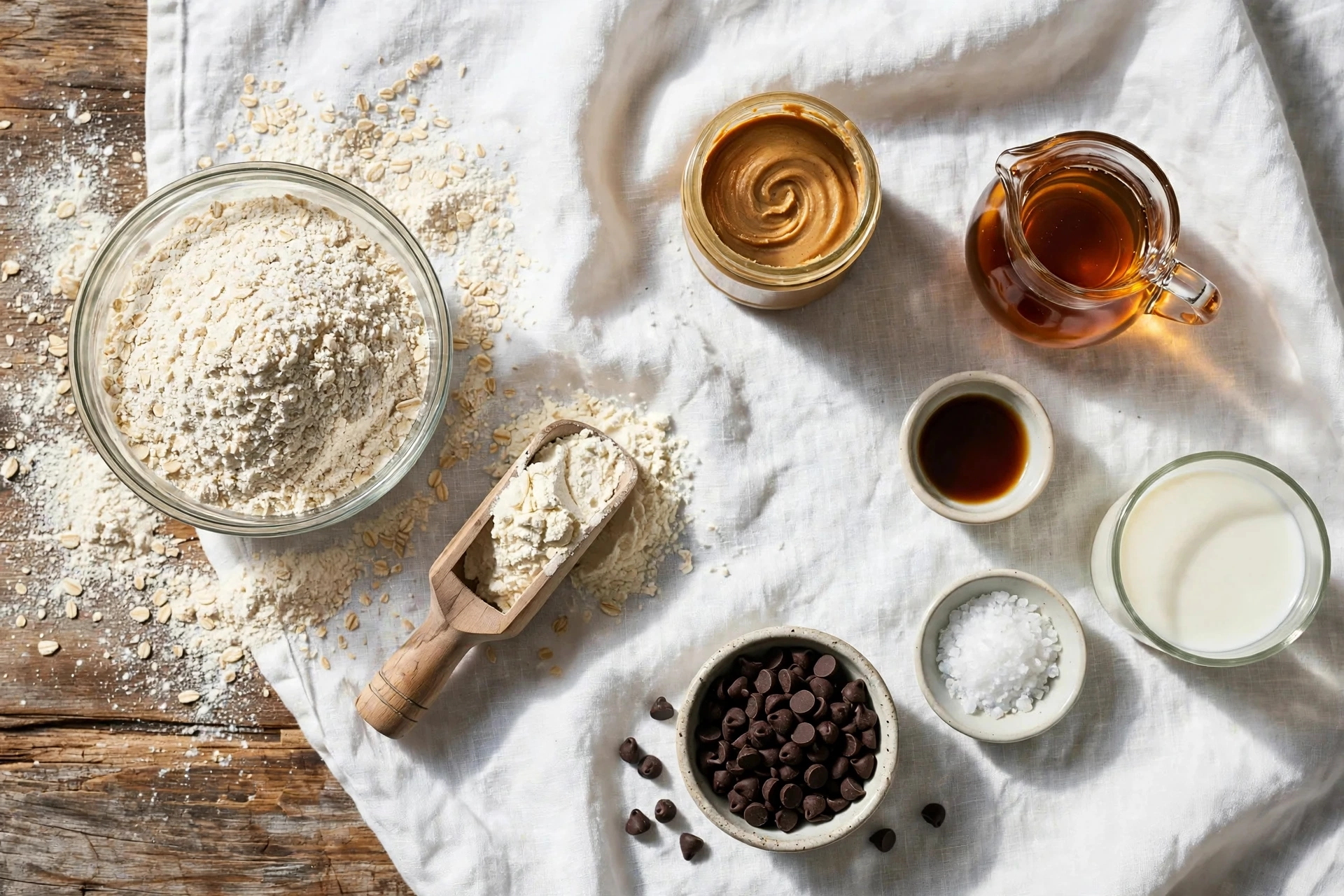
- 1 cup (90 g) oat flour — heat-treated as described above, or swap in finely ground almond flour. Pulse rolled oats in a blender for 30 seconds for the freshest flour.
- 1/2 cup (60 g) vanilla protein powder — a whey-casein blend gives the smoothest dough; straight whey works too but drinks up more liquid. See the troubleshooting section before you choose.
- 1/4 teaspoon fine sea salt — don’t skip it; salt is what makes the whole thing taste like actual cookie dough instead of sweetened paste.
- 1/3 cup (85 g) creamy almond or cashew butter — runny, drippy brands mix in far more easily than stiff ones. Cashew butter gives the most classic flavor.
- 1/4 cup (60 g) pure maple syrup — honey works, but maple keeps it vegan and adds a caramel note.
- 1 teaspoon vanilla extract
- 2–3 tablespoons milk of choice — added one tablespoon at a time; dairy or plant-based both work.
- 1/3 cup mini dark chocolate chips — minis distribute better than full-size chips in small bites.
Gluten-free note: use certified gluten-free oat flour (or almond flour) and a gluten-free-labeled protein powder, and the whole batch is gluten-free. More celiac-friendly sweets live in my gluten-free dessert recipes roundup.
How to Make Protein Cookie Dough
One bowl, one spoon, five minutes. Each step below has its own photo so you can match what you’re seeing in your bowl.
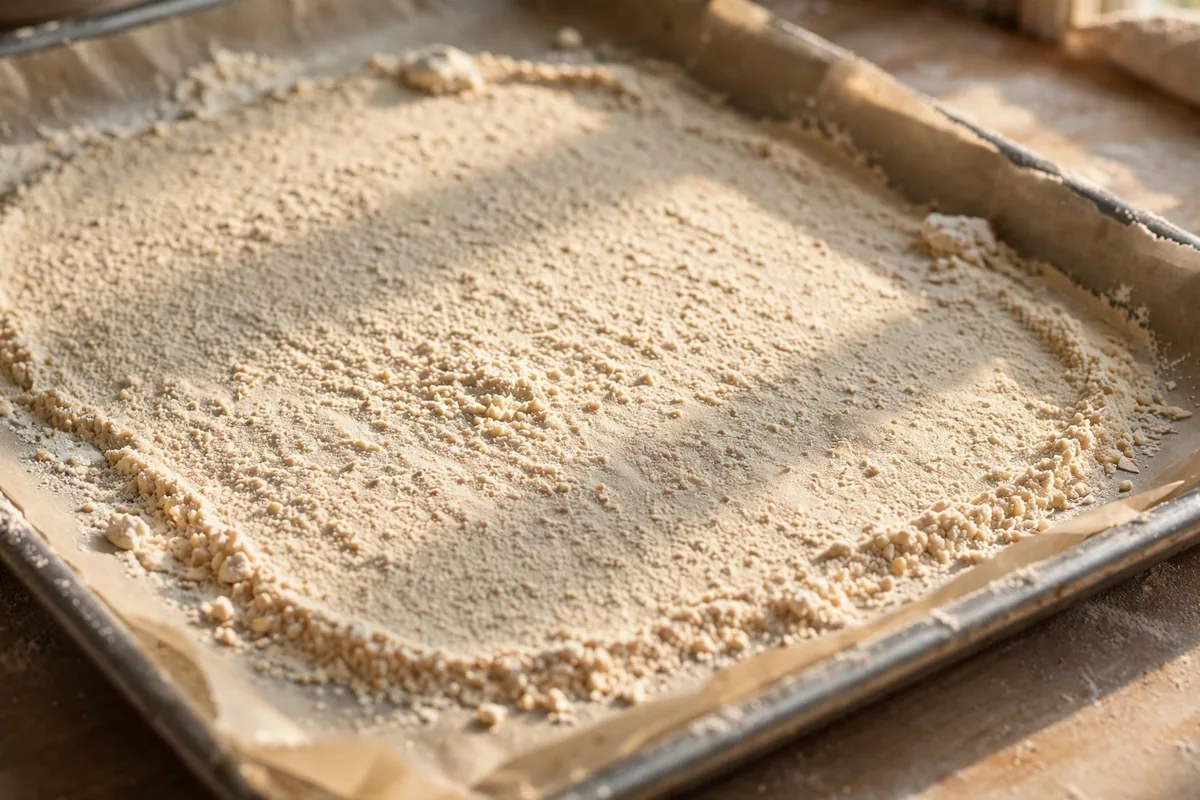
- Heat-treat the oat flour. Spread the oat flour in a thin layer on a parchment-lined baking sheet and bake at 350°F (175°C) for 5–7 minutes, until a thermometer reads 160°F (71°C) in the center. Cool completely — warm flour melts the chocolate chips later.
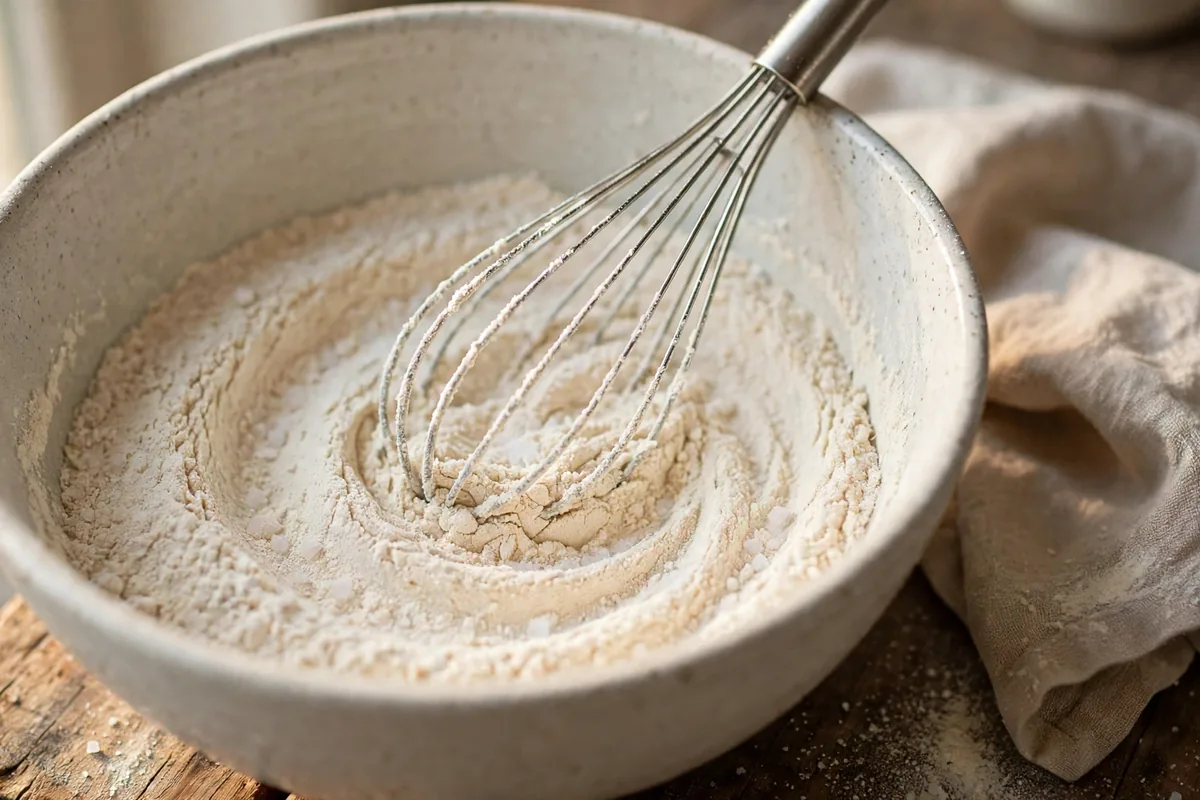
- Whisk the dry ingredients. Add the cooled oat flour, protein powder, and salt to a medium bowl and whisk until no streaks remain. Breaking up the powder now prevents the chalky pockets people complain about.
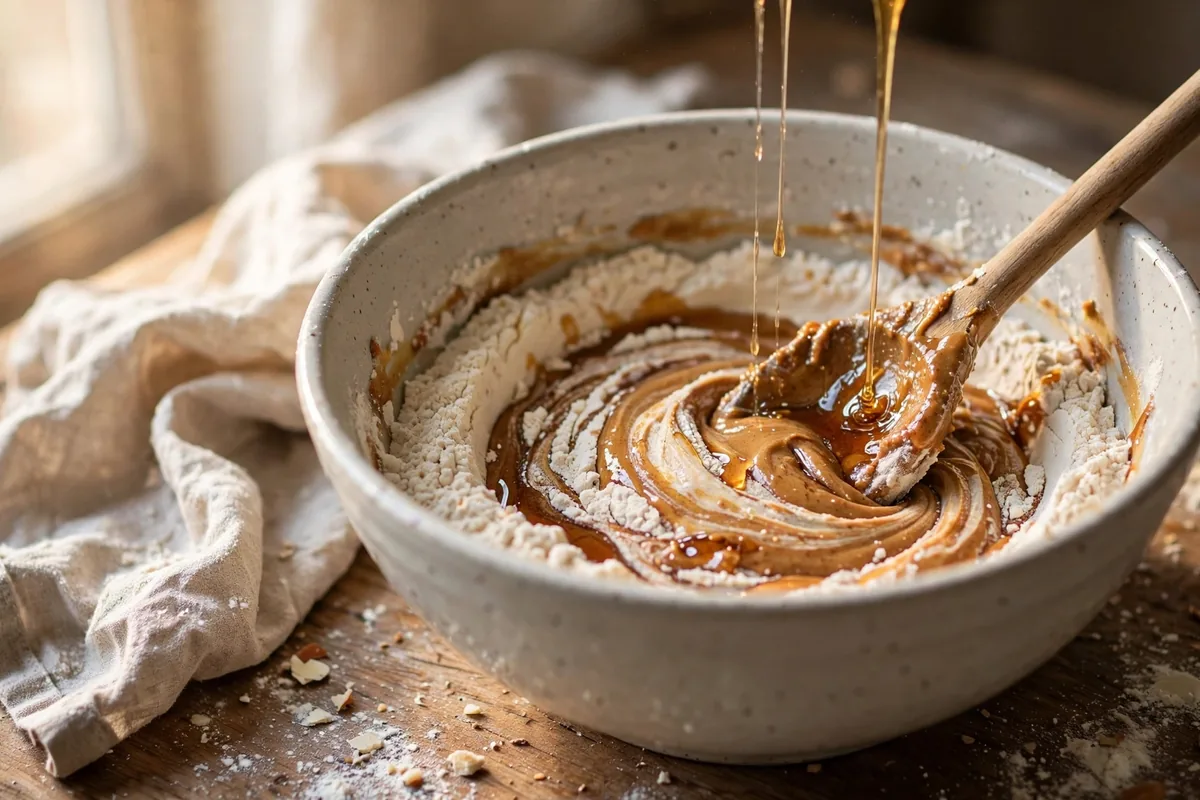
- Stir in the nut butter, maple syrup, and vanilla. It will look crumbly and hopeless for about thirty seconds — that’s normal. Keep stirring; the mixture comes together as the fat coats the dry ingredients.
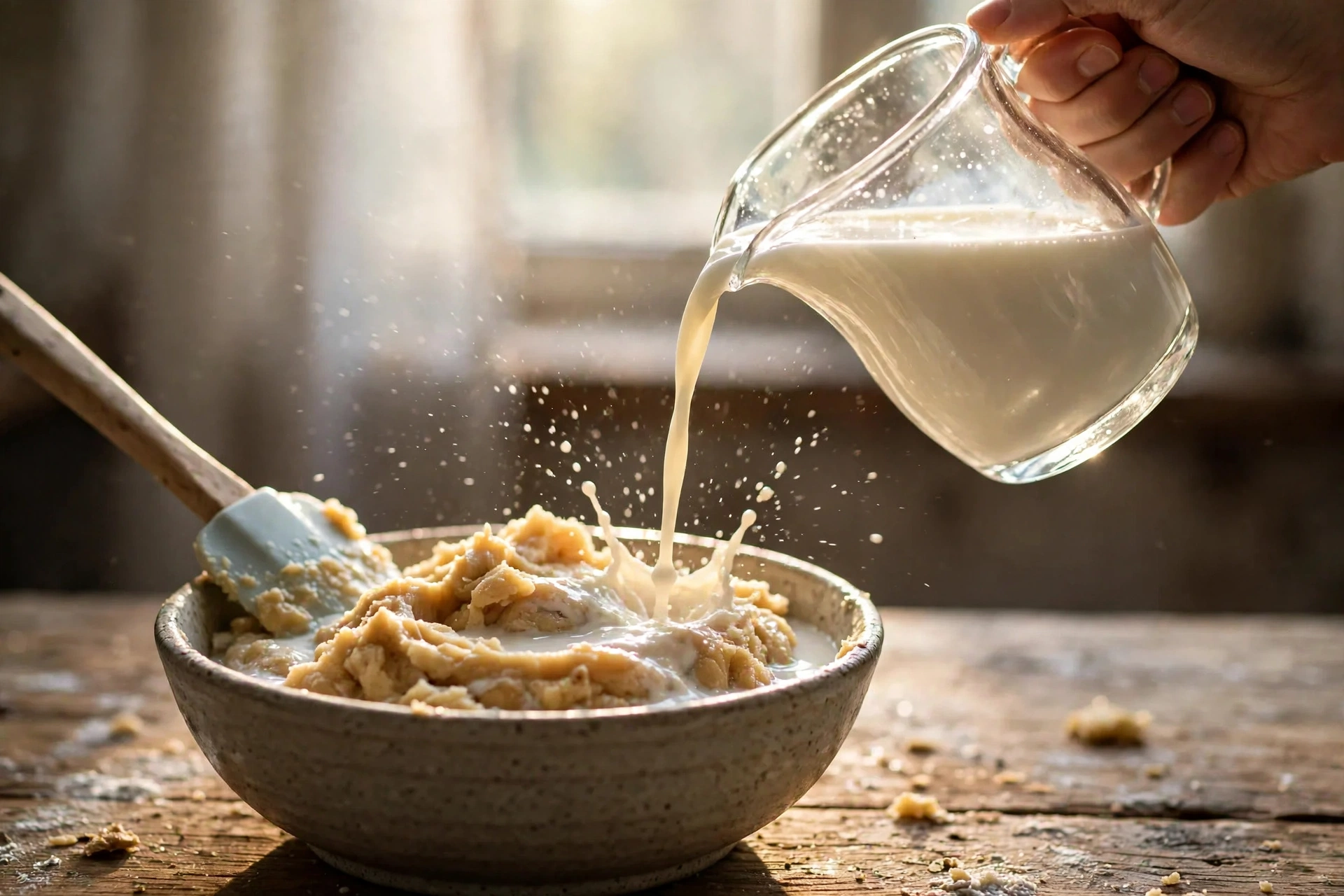
- Add milk one tablespoon at a time. Stir after each addition. Stop as soon as the dough holds together when pressed — for most powders that’s 2 tablespoons, sometimes 3 with a thirsty plant-based powder.
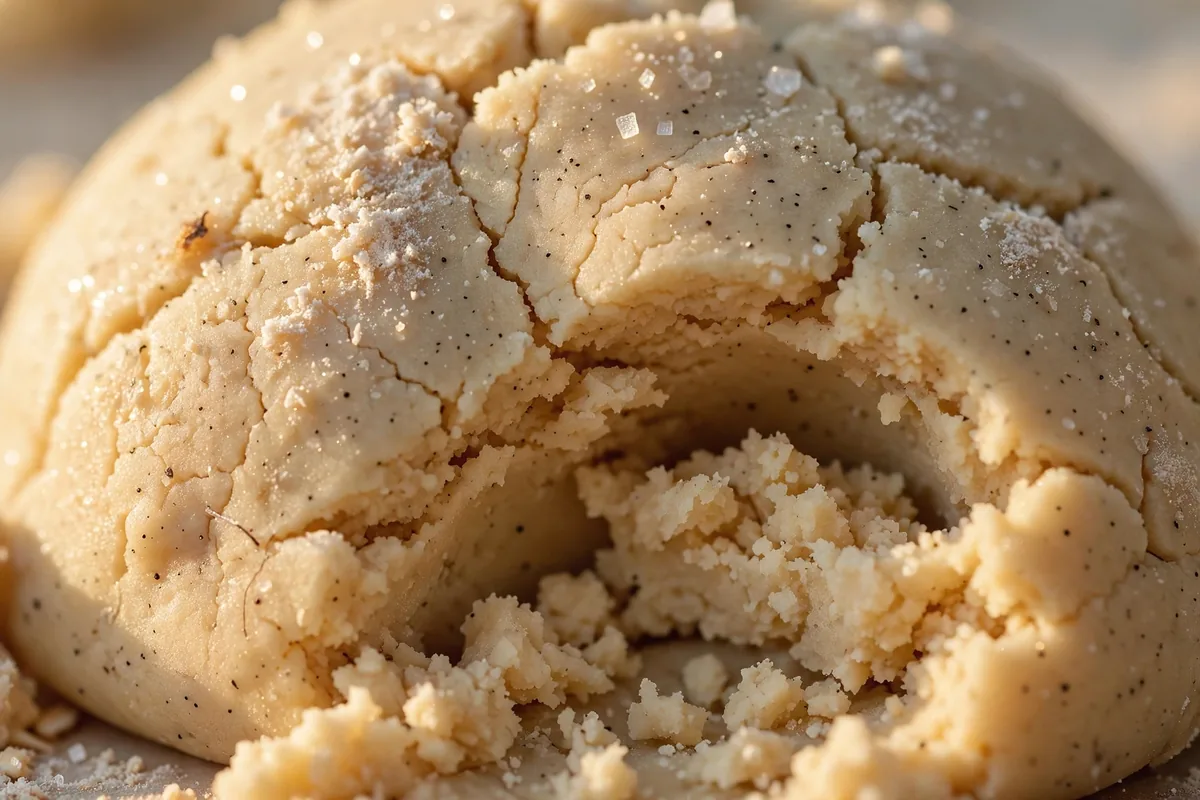
- Check the texture. Pinch off a piece and roll it between your palms. It should feel like real cookie dough: soft, slightly tacky, holding its shape. If it cracks, add another teaspoon of milk; if it sticks to your hands, dust in a teaspoon of oat flour.
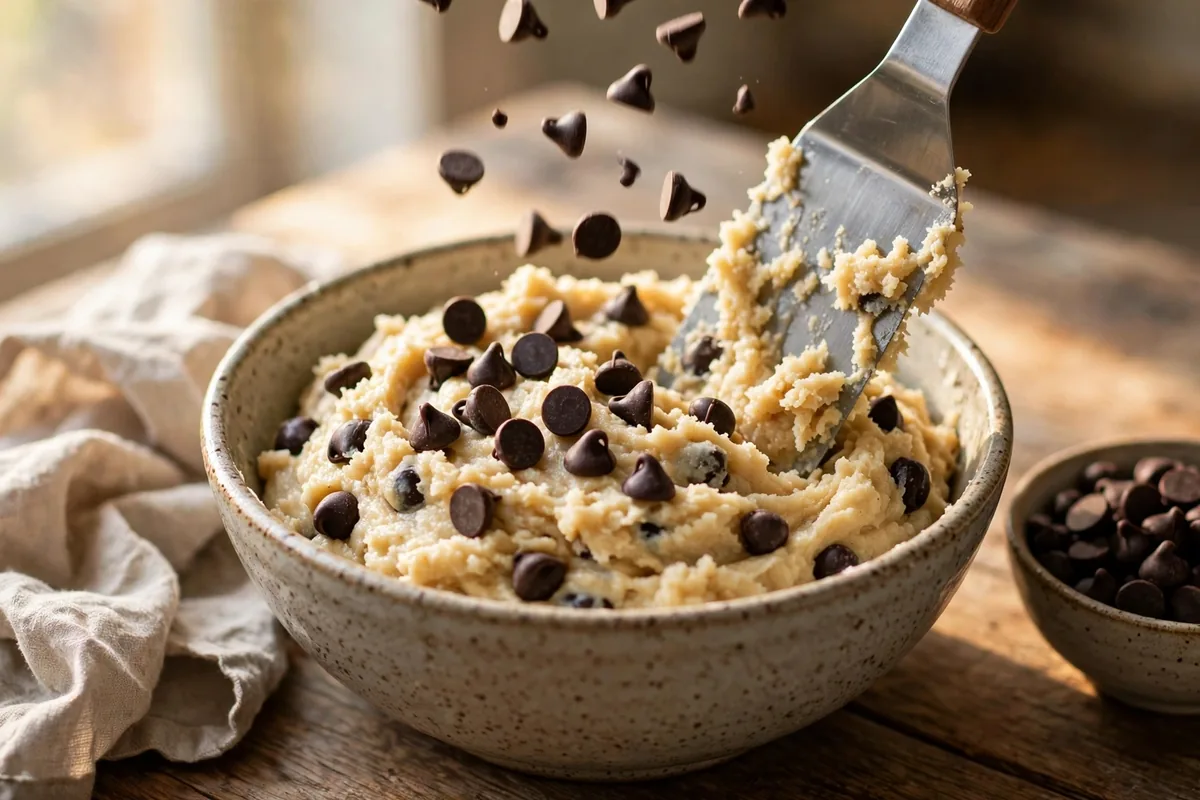
- Fold in the chocolate chips. Distribute them evenly with a spatula rather than stirring hard — aggressive mixing warms the dough and makes it sticky.
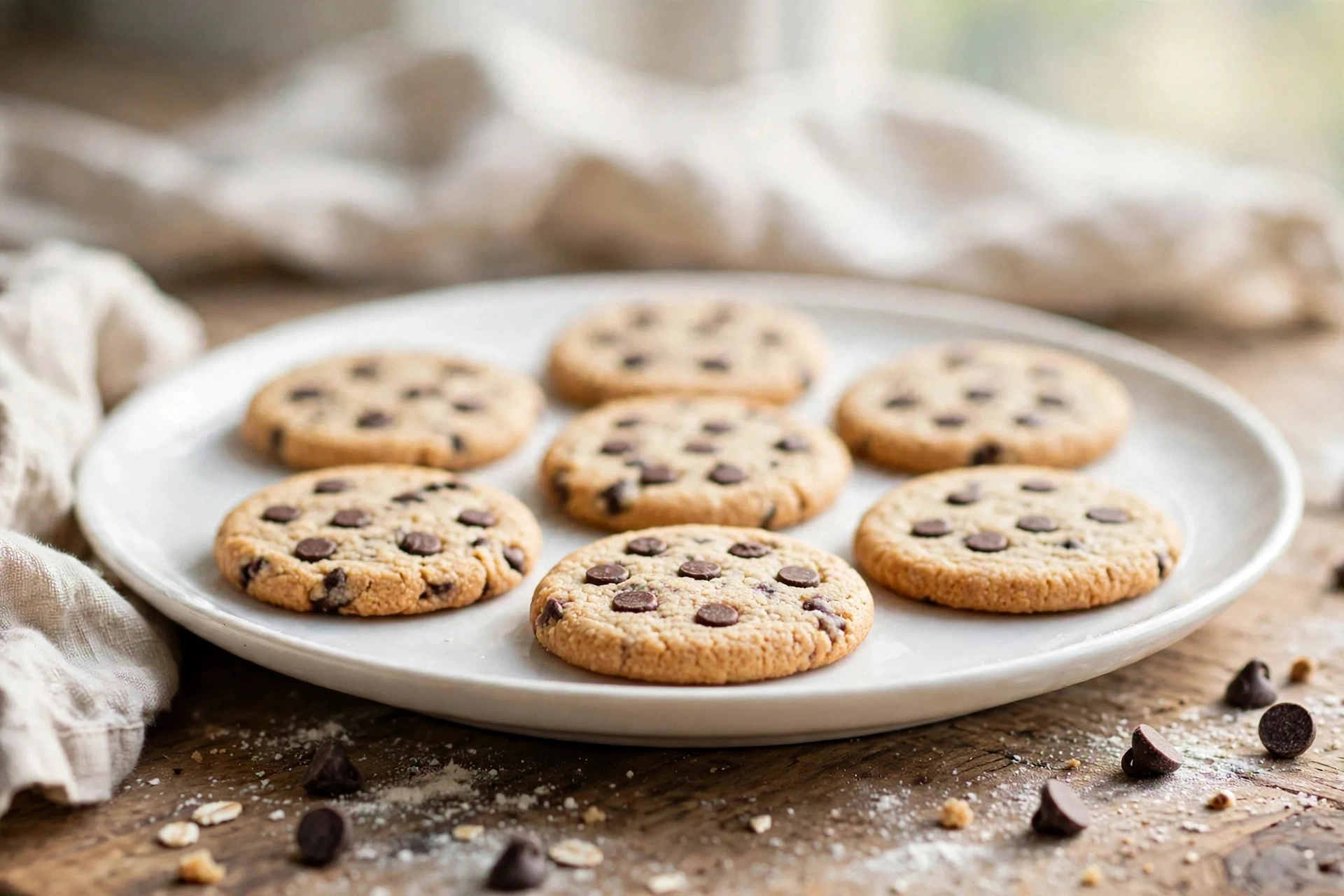
- Roll and chill. Scoop tablespoon-sized portions of the protein cookie dough and roll into balls, or just eat it from the bowl with a spoon — no judgment. Refrigerate 15–20 minutes for the firmest, most cookie-dough-like bite.
📌 Save this recipe for later
Pin it to your healthy-snacks board so it’s there the next time a cookie-dough craving hits.
Protein Cookie Dough Troubleshooting: 4 Fixes That Work
Most dough failures come down to the powder, not the cook. Here’s how to fix each one.
1. It’s gritty or chalky
Rest the mixed protein cookie dough for 10 minutes before judging it — protein powder needs time to hydrate, and a lot of “grit” is just undissolved granules. If it’s still gritty, the powder is the issue: plant-based (pea/rice) powders are the grittiest and need more fat to tame. Add an extra tablespoon of nut butter, or switch to a whey-casein blend next batch — casein thickens smoothly and masks chalk far better than straight whey isolate.
2. It’s too dry and crumbly
Add liquid one teaspoon at a time — milk works, so does a spoonful of Greek yogurt. The usual mistake is adding more protein powder to “fix” a loose dough; powder is a drying agent, so it pulls your protein cookie dough the wrong way. If your brand is known to be absorbent, start with an extra tablespoon of milk from the beginning next time.
3. It’s too sticky and won’t roll
Dust in oat flour one tablespoon at a time — flour first, not more powder, since powder adds protein but not structure. Then chill the dough for 20–30 minutes; cold firms up the nut-butter fat and most “too sticky” doughs become perfectly rollable. Straight whey makes looser dough than blends, so expect to use a touch more flour with it.
4. You can taste the protein powder
A little extra vanilla extract (another half teaspoon) and a pinch more salt cover most powder flavor. A teaspoon of cocoa powder also buries it completely and turns the batch into double chocolate. And use a powder you actually like the taste of on its own — if it tastes bad in a shake, it won’t taste better in dough.
How Long Does Protein Cookie Dough Last?
This protein cookie dough stays fresh for 4–5 days stored in an airtight container in the fridge. For longer storage, freeze the rolled bites in a single layer, then bag them — they keep up to 3 months and thaw in about 30 minutes on the counter.
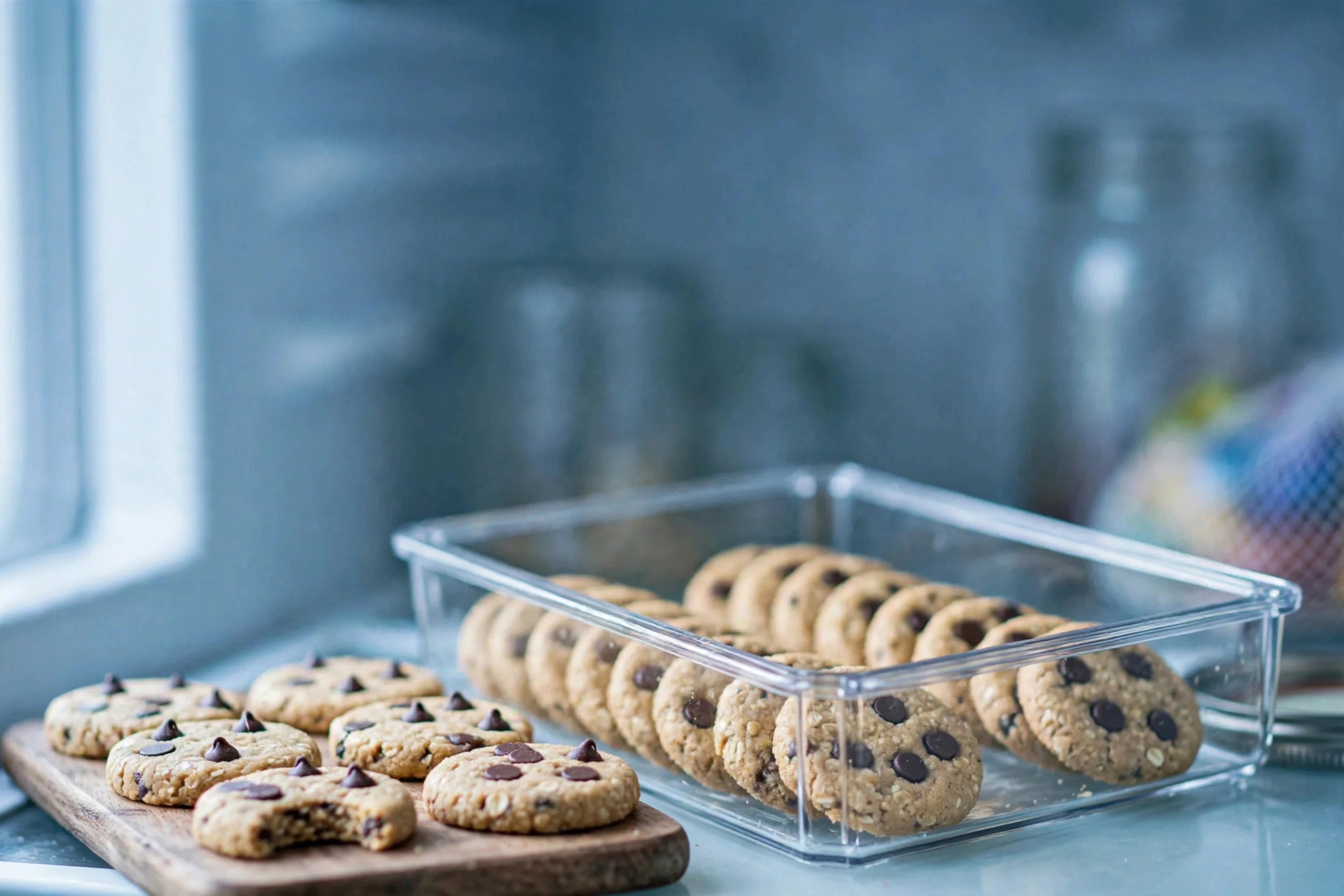
Keep the jar sealed tightly — the dough picks up fridge odors otherwise. I roll a double batch on Sunday and portion it into jars for grab-and-go snacking. For another make-ahead no-bake treat, these biscoff cookie butter cheesecake pops use the same chill-and-serve logic.
5 Flavor Variations
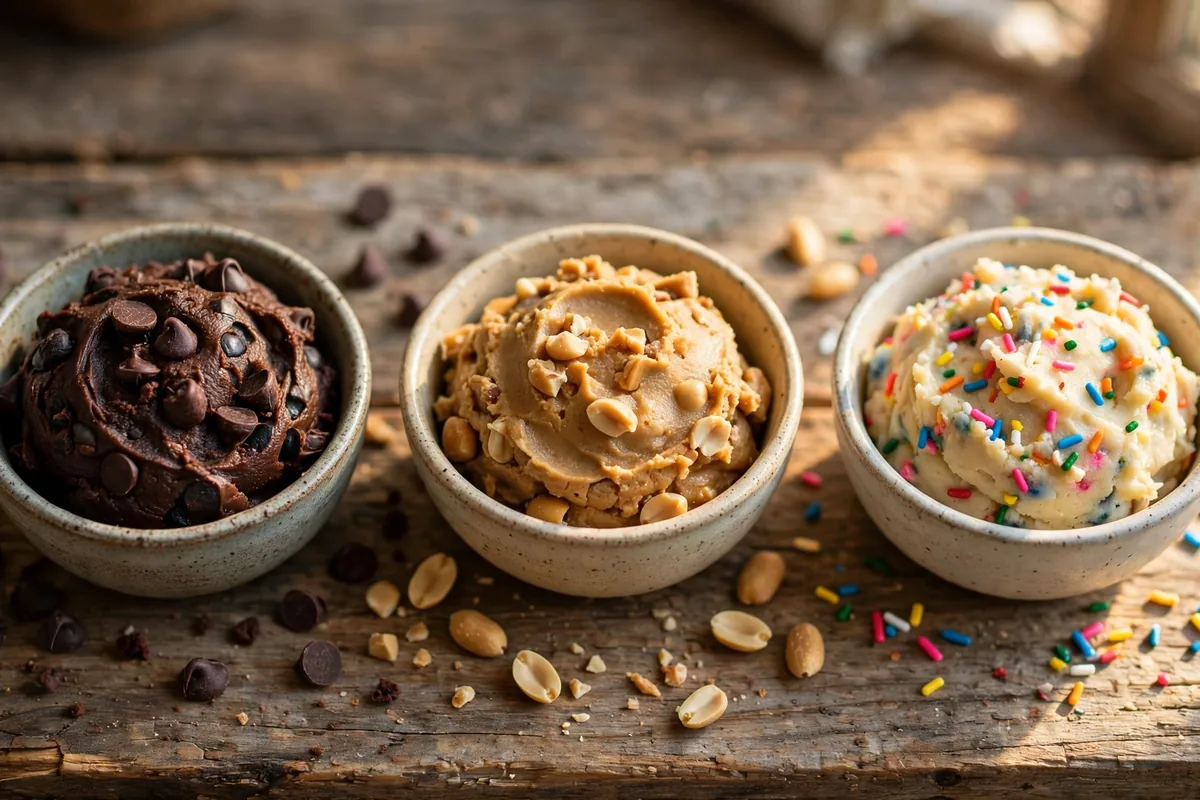
- Double chocolate: swap vanilla powder for chocolate and add 1 tablespoon cocoa powder plus extra chips. Cocoa masks any powder flavor completely.
- Peanut butter cup: use chocolate protein powder and peanut butter, then fold in peanut butter chips instead of chocolate chips. Salty-sweet and dangerous.
- Birthday cake: vanilla powder plus 2 tablespoons rainbow sprinkles and white chocolate chips. Kids’ birthday parties, handled.
- Lemon: vanilla powder with 1 teaspoon lemon zest and a squeeze of juice; skip the chips. Bright, fresh, and surprisingly good.
- Coconut: vanilla powder plus 3 tablespoons shredded coconut and dark chocolate chips — an almond-joy situation without the candy bar.
Building a fall snack spread around one of these? This dough sits happily next to my fall dessert recipes roundup of 18 bake and no-bake ideas.
Estimated Nutrition
Exact macros depend on your powder brand, so treat these as estimates: the batch makes about 12 bites, each roughly 130–150 calories with 6–8 g protein using a standard 120-calorie, 24 g-protein whey scoop and natural almond butter. Run your own brands through USDA FoodData Central if you track closely.
For a sit-down serving moment, crumble a few bites over Greek yogurt — the combo eats like dessert and the yogurt pushes the protein even higher. Another no-bake classic in that vein is this no-bake condensed milk cheesecake.
FAQs
Is protein cookie dough safe to eat raw?
Yes — this recipe has no eggs, and the oat flour is heat-treated to 160°F, which removes the raw-flour risk the FDA warns about. You can also use almond flour, which skips the heat-treating step entirely. Just don’t taste-test regular raw cookie dough made with untreated flour.
Which protein powder is best for protein cookie dough?
A whey-casein blend gives the smoothest, most dough-like texture because casein thickens without turning chalky. Straight whey works but makes looser dough — add a little extra oat flour. Plant-based powders (pea, rice) are the grittiest, so plan on extra nut butter and a longer rest.
How long does protein cookie dough last in the fridge?
Four to five days in an airtight container. The flavor actually improves on day two as the vanilla and salt settle in. For longer storage, freeze the rolled bites for up to 3 months and thaw 30 minutes before eating.
Can I make protein cookie dough gluten-free and dairy-free?
Easily. Use certified gluten-free oat flour or almond flour for gluten-free, and pair it with a plant-based protein powder, dairy-free milk, and vegan chocolate chips for dairy-free. Maple syrup is already the sweetener, so no honey swap needed.
Can I bake protein cookie dough into cookies?
Not this recipe — the ratios are built for eating raw, so the balls would spread oddly and dry out in the oven. If you want actual baked cookies with a protein boost, a dedicated protein cookie recipe (with a leavener and proper fat ratio) is the way to go.
💬 Tried it? Tell me how it went
Did the dough come out gritty, perfect, or somewhere in between? Drop a comment below — and tell me which flavor variation you’d try first.
Keep reading: Fall Dessert Recipes: 18 Easy Ideas · Gluten Free Dessert Recipes · No-Bake Condensed Milk Cheesecake