
A well-designed home is not simply about expensive furniture or following the latest trends. It is about creating a space that feels comfortable, functional, and visually connected to the people who live in it. Whether you are decorating a new home or refreshing a room that feels outdated, the right interior design ideas can completely change how a space looks and feels.
From choosing a thoughtful color palette to improving lighting and adding natural elements, small changes can have a surprisingly large impact. These interior design ideas can help you create a home that feels more stylish, comfortable, practical, and personal without requiring a complete renovation.
1. Start With a Clear Color Palette
Color is one of the easiest ways to establish the mood of a room and is an important part of successful interior design. Before buying furniture or decorative pieces, decide on a color palette that works with the size, lighting, and purpose of the space. Neutral shades such as white, beige, cream, gray, and warm brown can create a calm and timeless foundation. You can then introduce stronger colors through cushions, artwork, rugs, curtains, or accent furniture. For a more dramatic look, consider combining a deep wall color with lighter furniture and natural textures. The goal is not to use as many colors as possible, but to create a balanced combination that works throughout the room.
2. Make Natural Light Part of the Design
Natural light can make even a small room feel brighter and more spacious, making it an important consideration when exploring interior design ideas for your home. Instead of blocking windows with heavy curtains, consider lightweight fabrics that allow daylight to enter the room. Mirrors can also help distribute natural light when they are placed opposite or near a window. When choosing furniture and wall colors, consider how sunlight changes throughout the day because a color that looks soft in the morning may appear completely different under evening lighting. Using natural light effectively can make your interior feel more open without changing its basic layout.
3. Create a Comfortable Living Room
The living room is often the heart of a home, so comfort should be just as important as appearance. Start with a sofa that fits the room without overwhelming it, then create layers with cushions, throws, a rug, side tables, and carefully selected decorations. Instead of pushing every piece of furniture against the walls, experiment with different layouts and arrange larger pieces around a central conversation area when space allows. A simple combination of comfortable seating, warm lighting, artwork, and textured fabrics can make a living room feel inviting without making it look crowded. This approach is one of the most practical interior design ideas for creating a room that looks polished while remaining comfortable for everyday use.
4. Use Mirrors to Make Spaces Feel Larger

Mirrors are both decorative and practical, making them a useful addition to interior design ideas for small or narrow spaces. They can make a hallway, compact bedroom, or small living room appear more open by reflecting light and creating a greater sense of depth. A large statement mirror can become a focal point, while several smaller mirrors can create an interesting decorative arrangement. For the best effect, consider what the mirror reflects. A mirror facing a beautiful window, artwork, or decorative feature can enhance that element rather than simply reflecting an empty wall.
5. Bring Nature Indoors
Plants can add color, texture, and life to an interior without requiring major changes. You do not need to fill your home with plants to achieve the effect. A few carefully positioned plants can make a noticeable difference. Place a tall plant in an empty corner, small plants on shelves, or fresh flowers on a dining table. If maintaining plants is difficult, dried flowers or realistic artificial plants can also provide a natural decorative element. Wood, stone, rattan, linen, and other natural materials can complement greenery and create a warmer atmosphere. Combining plants with natural materials is one of the interior design ideas that can make a space feel more connected to nature.
6. Choose Furniture According to the Room
One of the most common interior design mistakes is choosing furniture based on appearance alone. Before purchasing anything, measure the room and consider how people will move through the space. A beautiful oversized sofa may look impressive in a showroom but make a small living room feel cramped. Leave enough space between furniture pieces for comfortable movement and consider how each item works with the overall layout. Choosing furniture according to the room’s proportions can make an interior feel significantly more polished while also improving its functionality.
7. Create a Cozy Bedroom

A bedroom should feel relaxing rather than visually overwhelming. Use soft bedding, layered textures, warm lighting, and a limited color palette to create a peaceful environment. Upholstered furniture, curtains, rugs, and cushions can add softness without requiring major renovations. Keep decorative objects intentional because a few meaningful pieces often work better than covering every available surface. When considering interior design ideas for bedrooms, focus on creating an environment that supports relaxation while still reflecting your personal style.
8. Give Your Walls More Personality
Blank walls are an opportunity to add character to your home. You can create a gallery wall with photographs, artwork, illustrations, or personal memories, or choose one large piece of artwork to create a strong focal point. For a more architectural effect, consider wall paneling, textured finishes, wallpaper, or an accent wall. The important thing is to choose a treatment that works with the rest of the room rather than competing with it. Thoughtful wall treatments can transform an ordinary room and are among the easiest interior design ideas to adapt to different styles.
9. Layer Different Textures
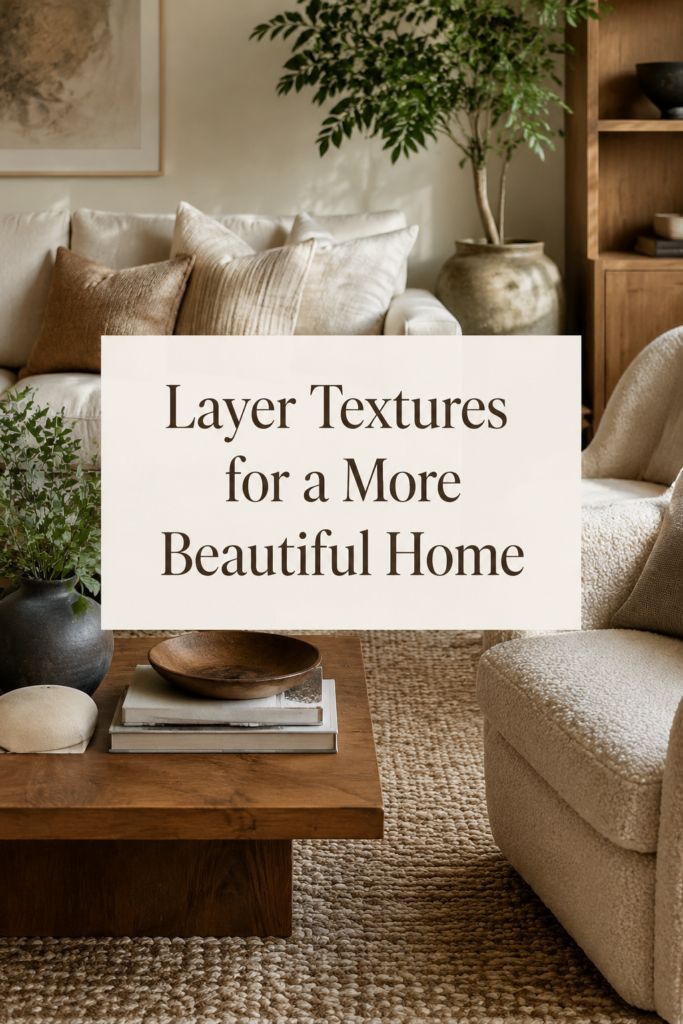
A room can have a beautiful color palette and still feel flat. Texture adds visual depth and makes an interior more interesting. Combining different materials can create a balanced and inviting look, especially when the overall color scheme is neutral.
- Soft upholstery
- Woven rugs
- Wooden furniture
- Glass surfaces
- Metal accents
- Linen curtains
- Ceramic decorations
10. Improve the Lighting
Good lighting can completely transform an interior and should be considered an essential part of any interior design plan. Instead of depending on a single ceiling light, use multiple sources at different levels. Combine ceiling fixtures with floor lamps, table lamps, wall lights, or accent lighting to create different layers of illumination. Warm lighting is particularly useful in living rooms and bedrooms because it creates a relaxed atmosphere, while brighter task lighting can be useful in kitchens, workspaces, and reading areas. Think of lighting as part of the decoration rather than something added at the very end.
11. Keep Small Spaces Functional
Small rooms require thoughtful planning. Instead of trying to fit everything into the space, prioritize what you actually need and choose furniture that performs more than one function. Storage beds, nesting tables, wall-mounted shelves, and multifunctional seating can help maximize available space. Keeping the floor as open as possible and avoiding unnecessary decorative pieces can also make a compact room feel considerably larger. When exploring interior design ideas for small spaces, functionality should always work alongside visual appeal.
12. Add a Personal Touch
A home should not look like a furniture showroom. Personal objects such as photographs, books, travel souvenirs, artwork, collections, or handmade pieces can give a room character and make the interior feel connected to the people living there. These items tell a story and help create an environment that feels authentic rather than overly styled. You do not need to display everything you own. Instead, select pieces that have meaning and incorporate them naturally into the space. Personal details can turn general interior design ideas into a home that feels uniquely yours.
13. Mix Old and New

Combining different design periods can create more interesting interior design ideas than using one style throughout the entire home. Modern furniture can be paired with a vintage mirror, traditional artwork, antique-inspired accessories, or a classic wooden table. The key is creating a visual connection through color, material, shape, or proportion. Mixing styles works best when the room still has a sense of cohesion, allowing different pieces to complement rather than compete with one another.
14. Design With Storage in Mind
Beautiful interiors also need to be practical. Open shelves can display books and decorative objects, while closed cabinets can hide everyday clutter. Built-in storage is particularly useful when space is limited because it can be designed around the dimensions of the room. Try to give frequently used objects a designated place so that everyday items do not gradually take over the room. A clutter-free interior will naturally look more organized and intentional, making smart storage one of the most useful interior design ideas for maintaining a polished home.
15. Focus on Balance Rather Than Trends
Interior design trends can provide inspiration, but they should not dictate every decision. A trend may look fantastic today but become less appealing after a few years. Instead, invest in timeless foundations such as quality furniture, practical layouts, versatile colors, and good lighting. You can then experiment with current trends through easily replaceable elements such as cushions, artwork, accessories, and smaller decorative pieces. The best interior design ideas combine current inspiration with choices that will continue to work as your personal style changes.
How to Find the Right Interior Design Style for Your Home

If you are unsure which style suits your home, start by collecting images of rooms you genuinely like and look for patterns in those images. You may repeatedly choose warm colors, clean lines, minimal furniture, natural materials, traditional details, bold colors, or luxurious textures. Your saved images can reveal your preferences more clearly than trying to choose a design style from a list. Once you understand what you naturally gravitate toward, you can build your room around three important elements: function, color, and texture. This approach makes it easier to choose interior design ideas that suit both your home and your personal preferences.
Frequently Asked Questions
1. What are the best interior design ideas for a home?
Some of the best interior design ideas include using a cohesive color palette, improving lighting, adding natural elements, incorporating different textures, using mirrors, and choosing furniture that fits the space. Personal artwork and decorative pieces can also make a home feel more unique.
2. How can I make my home look more stylish?
You can make your home look more stylish by decluttering, improving lighting, adding layered textures, using coordinated colors, and incorporating a few statement pieces. You do not need expensive furniture to create a polished interior. Even small changes based on practical interior design ideas can make a noticeable difference.
3. How can I make a small room look bigger?
Use light colors, mirrors, multifunctional furniture, and smart storage solutions. Keeping the floor relatively open and allowing natural light into the room can also make a small space feel larger and more comfortable. These are simple interior design ideas that can improve the sense of space without requiring structural changes.
4. What colors are best for interior design?
Neutral colors such as white, beige, cream, gray, and warm brown are versatile choices for interior design. Accent colors can then be introduced through furniture, artwork, cushions, rugs, and accessories. The best color depends on the room’s lighting, size, purpose, and the atmosphere you want to create.
5. How can I make my living room more comfortable?
Choose comfortable seating, add soft cushions and throws, use a well-sized rug, and introduce warm lighting. Arranging furniture around a central area for conversation can also make the living room feel more welcoming. Layering textures and adding personal decorative pieces can further improve the space.
6. How do I choose the right furniture for my home?
Measure the room before purchasing furniture and consider how people will move through the space. Choose pieces that are appropriately scaled to the room and provide the functionality you need without creating unnecessary clutter. Furniture should complement the room’s layout, color scheme, and overall interior design style.
Final Thoughts
Great interior design does not necessarily require a complete renovation. Sometimes a new furniture arrangement, better lighting, a carefully chosen rug, or a few natural elements can completely change the atmosphere of a room. The most effective interior design ideas combine beauty with everyday practicality, allowing you to create a home that looks appealing while still working for your lifestyle.
Start with the way you want your space to feel, understand how you use the room, and then choose colors, furniture, lighting, textures, and accessories that support that vision. Trends can provide inspiration, but a thoughtfully designed space should ultimately feel personal, functional, and comfortable.
Follow our Instagram & Facebook Pages to get latest design ideas.