70s hairstyles are back with a softer edge: feathered layers, shags, curtain bangs, and afros built on movement instead of stiff styling. The 2026 versions keep the decade’s volume and face-framing shape but blend the layers for easy, lived-in wear. Below: 12 iconic looks, styling tips, and which ones suit your hair type.
What Defined 70s Hairstyles?
The 70s hairstyle was defined by layers, movement, and softness — hair that fell and swung instead of sitting still. As celebrity stylist Nicolas Flores puts it, the era was about “movement and softness,” with shape coming from the cut itself rather than heavy styling. Layers did the heavy lifting.
The decade’s most famous cuts have real origin stories: Paul McGregor invented the shag for Jane Fonda in the 1971 film Klute; Farrah Fawcett’s winged layers on Charlie’s Angels became the era’s signature look; Vidal Sassoon protégé Trevor Sorbie created the wedge in 1974, worn by Dorothy Hamill when she won Olympic gold in 1976 at 19. The afro — a full halo on icons like Diana Ross — and Donna Summer’s disco curls rounded out a decade that treated hair as self-expression.
Love decade hair? Our 80s hairstyles roundup covers the big-volume looks of the next decade, and our 90s hairstyles guide shows how the 90s smoothed the 70s’ edges sleeker.
How the 2026 Versions Are Different
The revival is not a costume. “The key is restraint,” Flores explains: keep the ends full, soften the layers, avoid anything exaggerated. Joico’s Larisa Love says the goal is layering that “blends versus separates” — the mark of a 2026 cut over its 1976 ancestor. The sightings back it up: Sabrina Carpenter’s feathered layers, Miley Cyrus’s softer shag, Suki Waterhouse’s curtain bangs, Jenna Ortega’s shaggy bob. The spirit of 70s hairstyles is the same — volume, shape, movement — with about half the effort.
12 Iconic 70s Hairstyles to Wear in 2026
Each of these 70s hairstyles works on its own, but mind the texture notes — the right cut is the one your hair type can maintain without a fight.
1. Feathered Farrah Layers
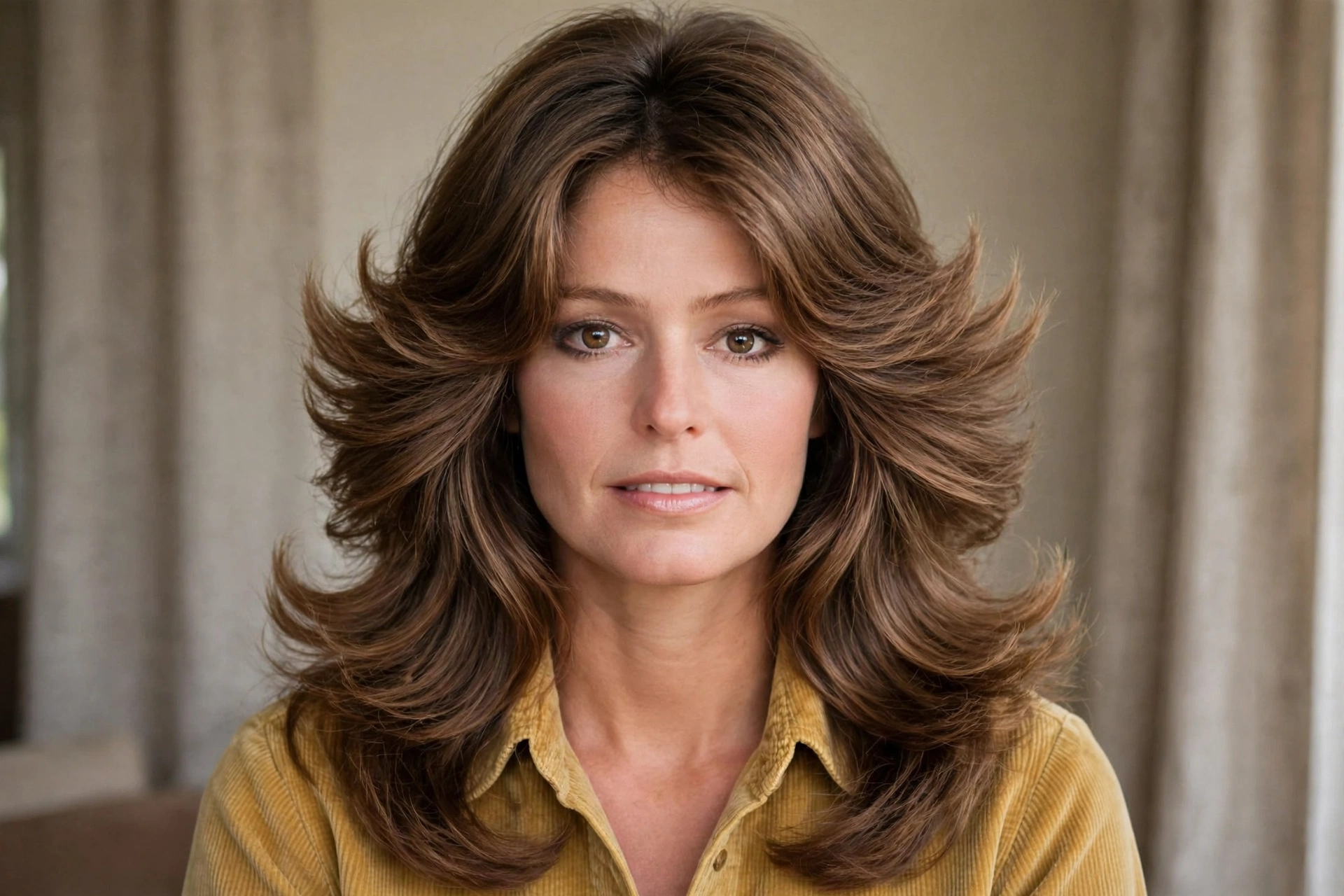
No list of 70s hairstyles starts anywhere else: Farrah Fawcett’s winged layers, brushed back and flicked outward. The cut is simple — long, face-framing layers — but the blow-dry does the work: a 2- to 3-inch round brush, sections twisted away from the face, cooled on the brush before release. Square jaws benefit most, since the wings pull the eye outward.
2. The Soft Shag
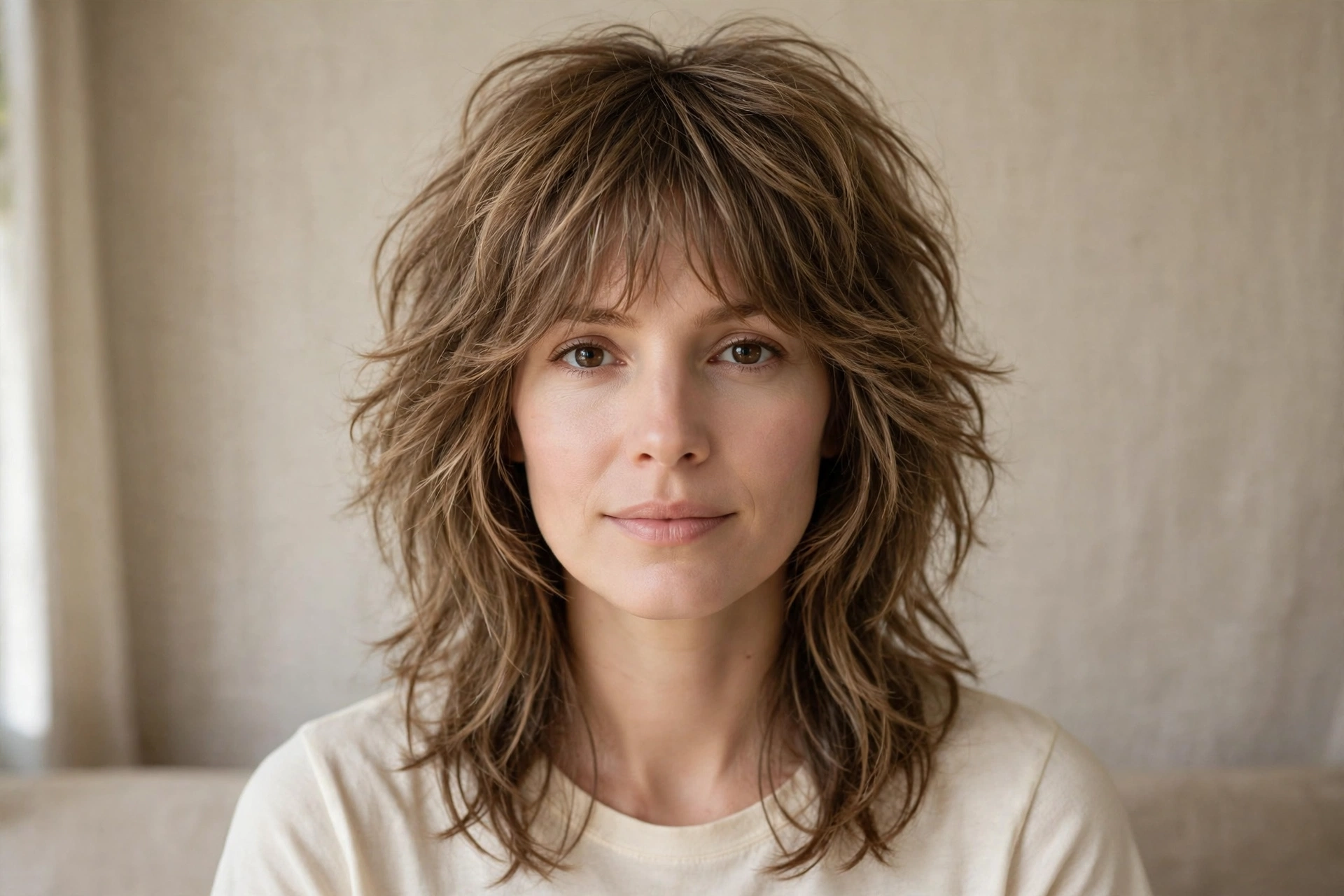
Built for rockstars, but 2026’s version is wearable: shorter layers on top melting into longer ones below, the harsh disconnect dialed back. Stylist TerraRose Puncerelli says the new shag keeps texture but trades chaos for control. Air-dry with salt spray for movement with almost no effort.
3. Curtain Bangs and Long Layers
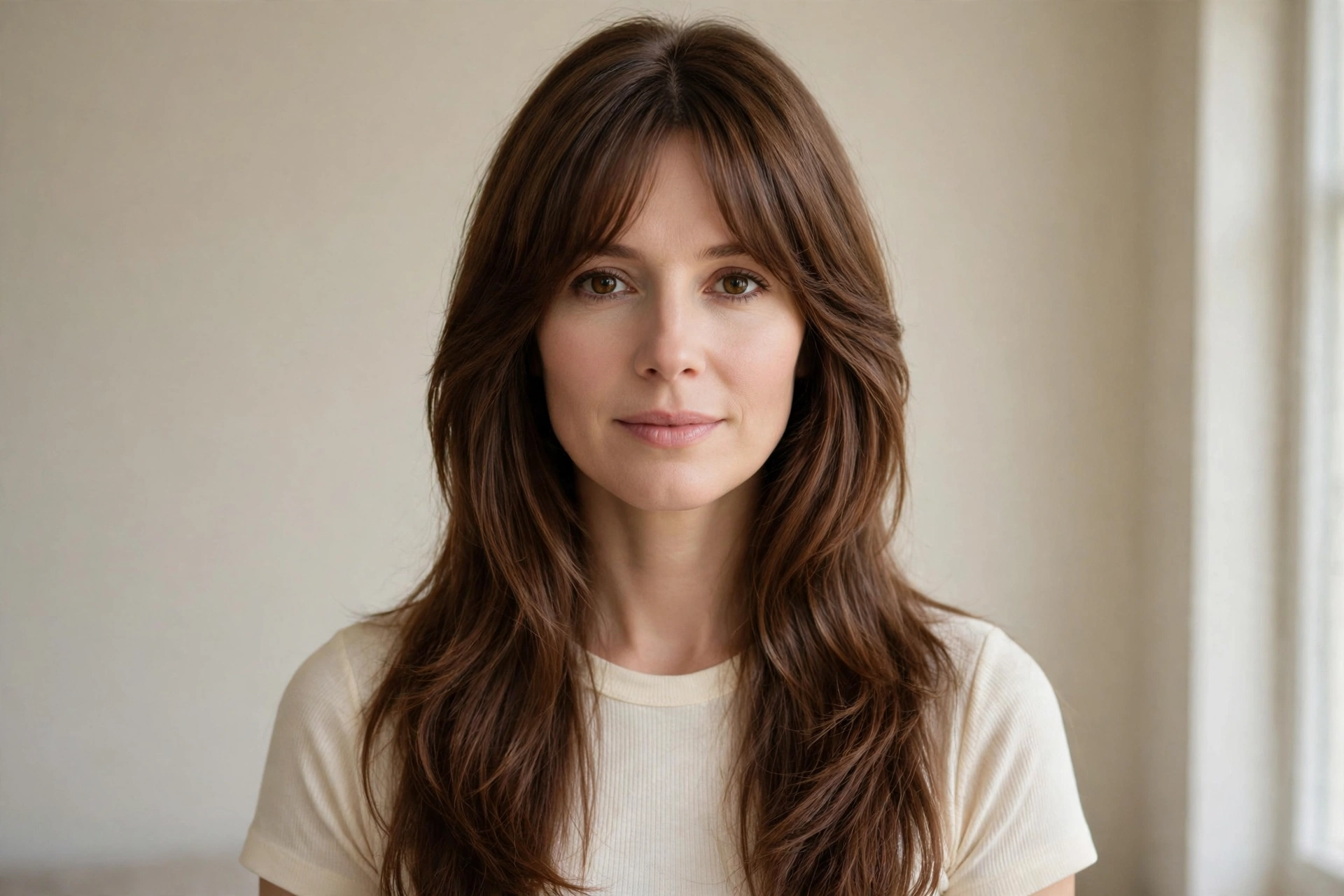
Per stylist Paulina Raciborski, possibly the most requested cut in salons right now: cheekbone-skimming bangs parted in the middle, blending into long layers. They frame the face, flatter nearly everyone, and grow out gracefully — fewer emergency trims. Single-tone color gives the cleanest effect.
4. The Halo Afro
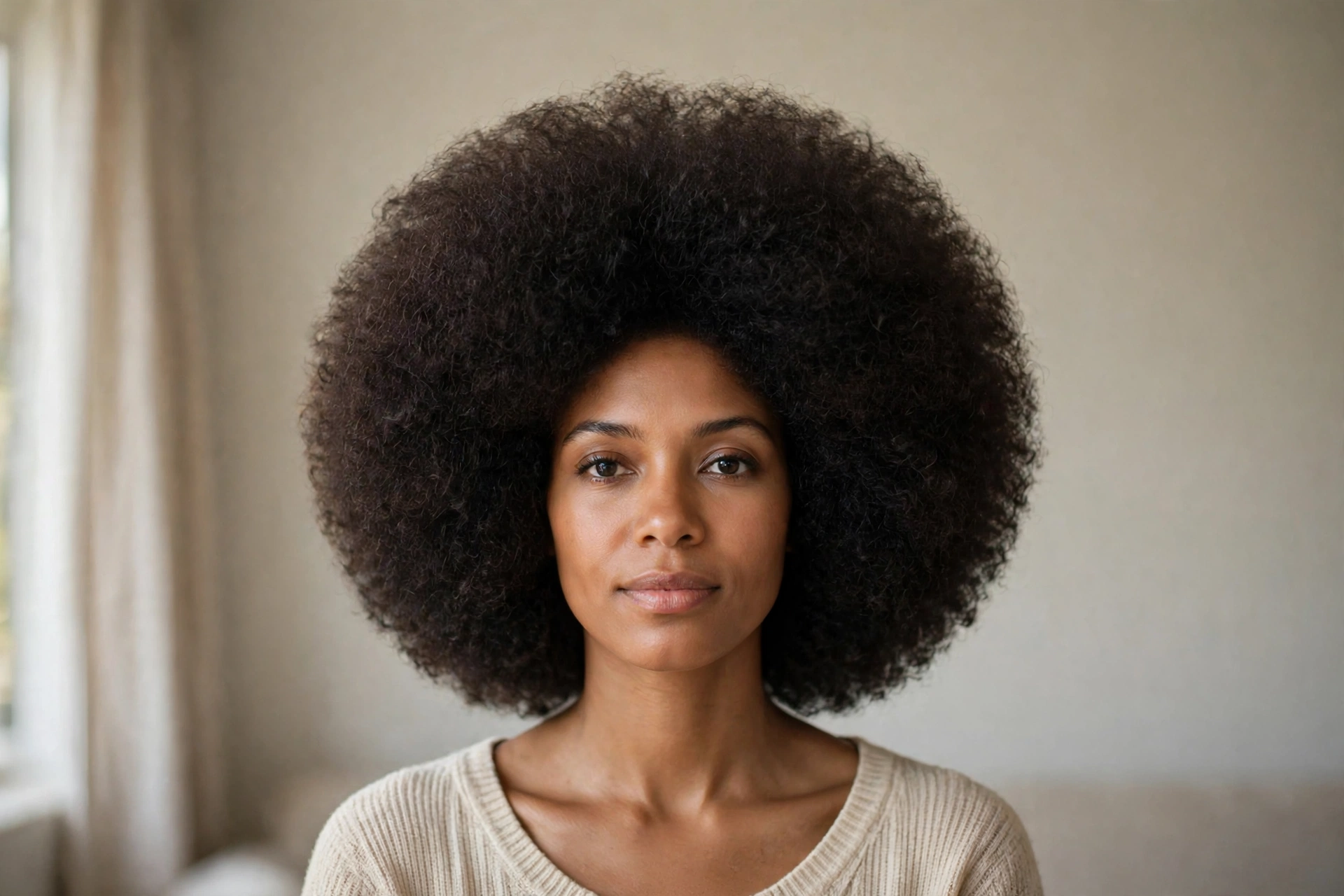
The decade’s natural-texture statement, worn as a full halo by icons like Diana Ross. These 70s hairstyles celebrated what hair already wanted to do: wash, condition, pick out with an afro pick once dry, and go. A light oil on the ends keeps the shape soft.
5. Disco Queen Curls
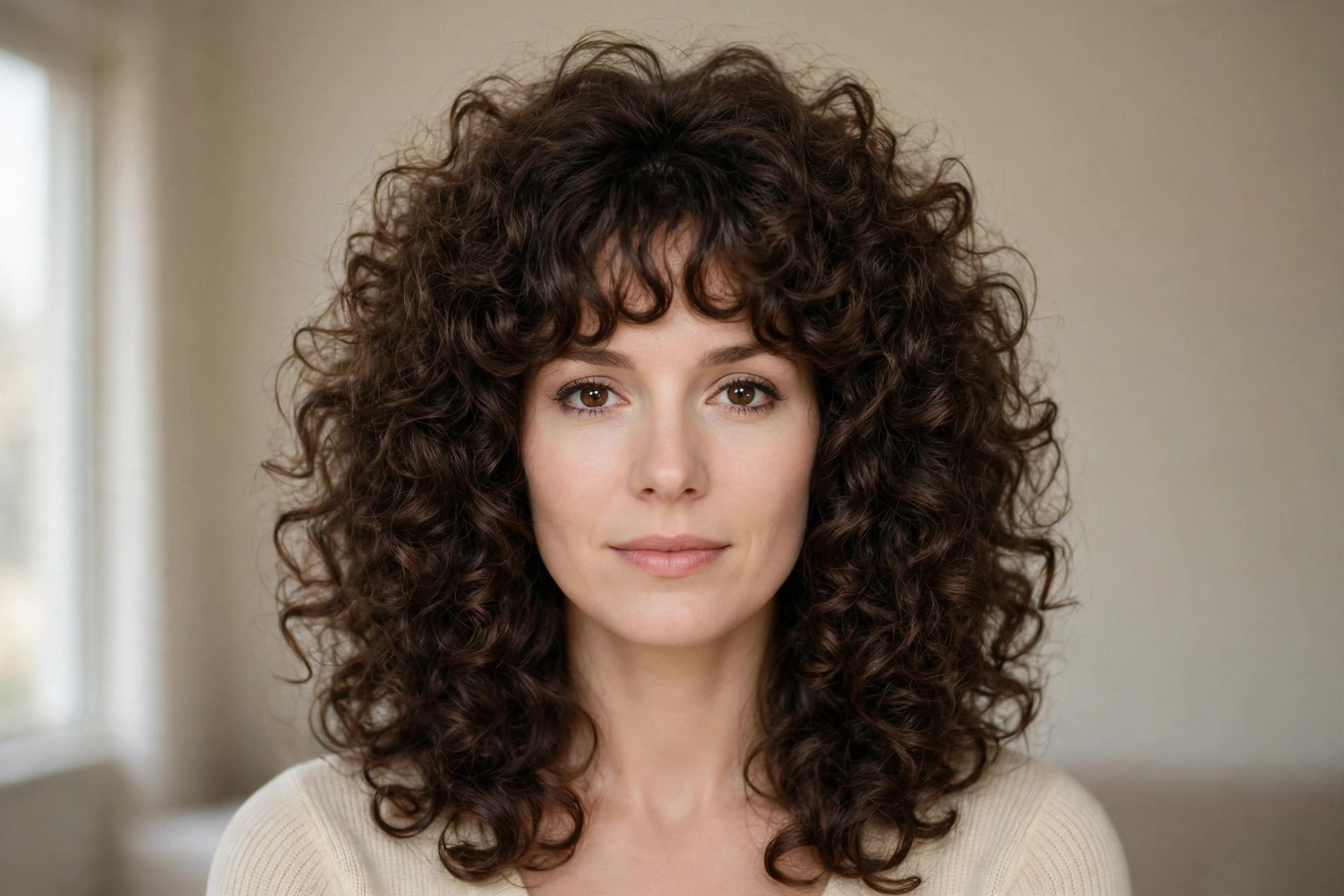
Donna Summer’s big, brushed-out curls defined the disco era — volume at the crown, bouncy lengths, brow-skimming fringe. Set curls on a large barrel iron, let them cool completely, then brush through for the soft cloud effect. Medium-hold hairspray locks it in.
6. The Modern Wedge
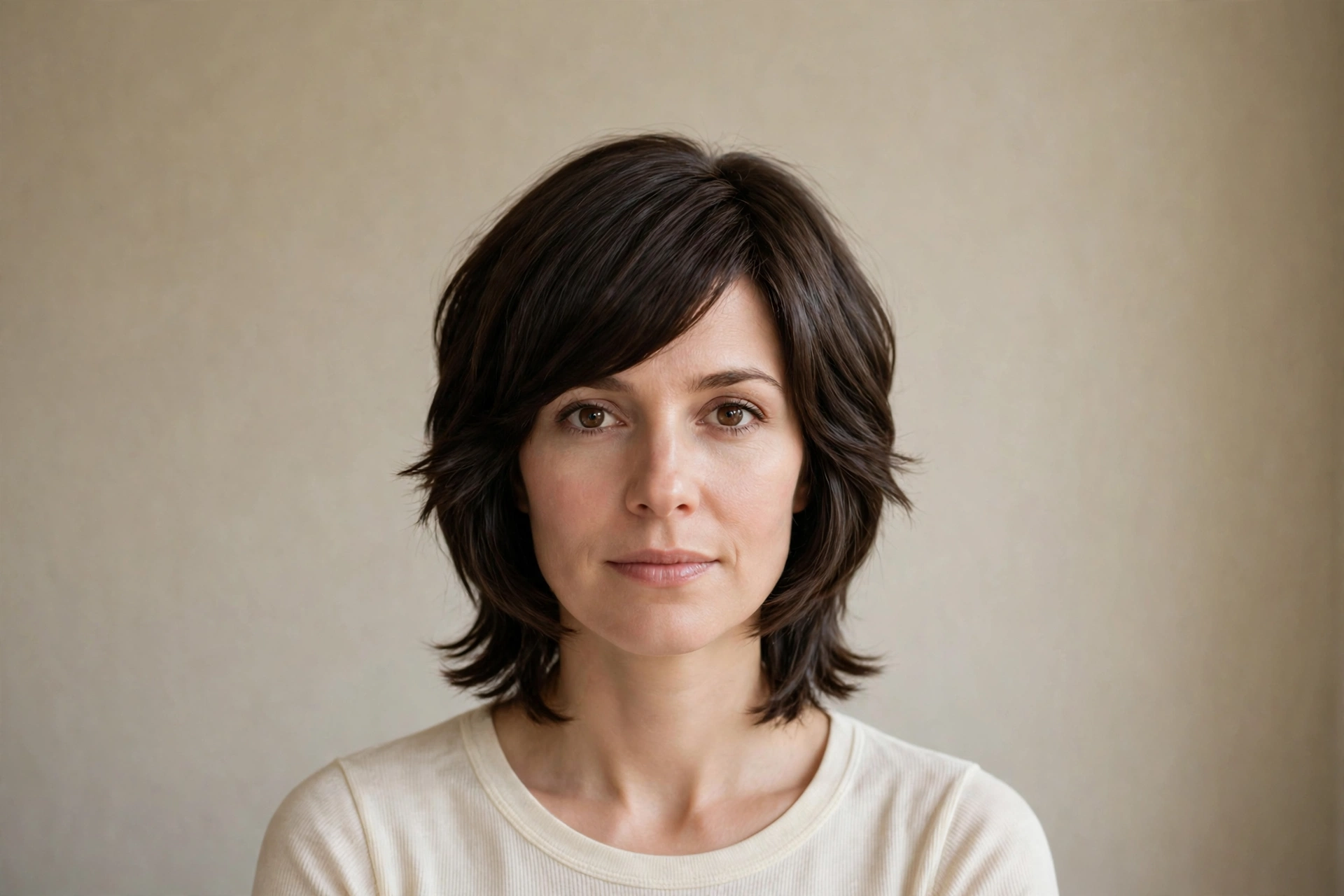
Trevor Sorbie created the wedge in 1974; Dorothy Hamill made it famous winning Olympic gold in 1976 at 19. The cut stacks short layers at the nape and angles longer toward the front. The 2026 take keeps the swing with softer edges, making these 70s hairstyles feel fresh instead of retro.
7. Boho Long Hair with a Middle Part
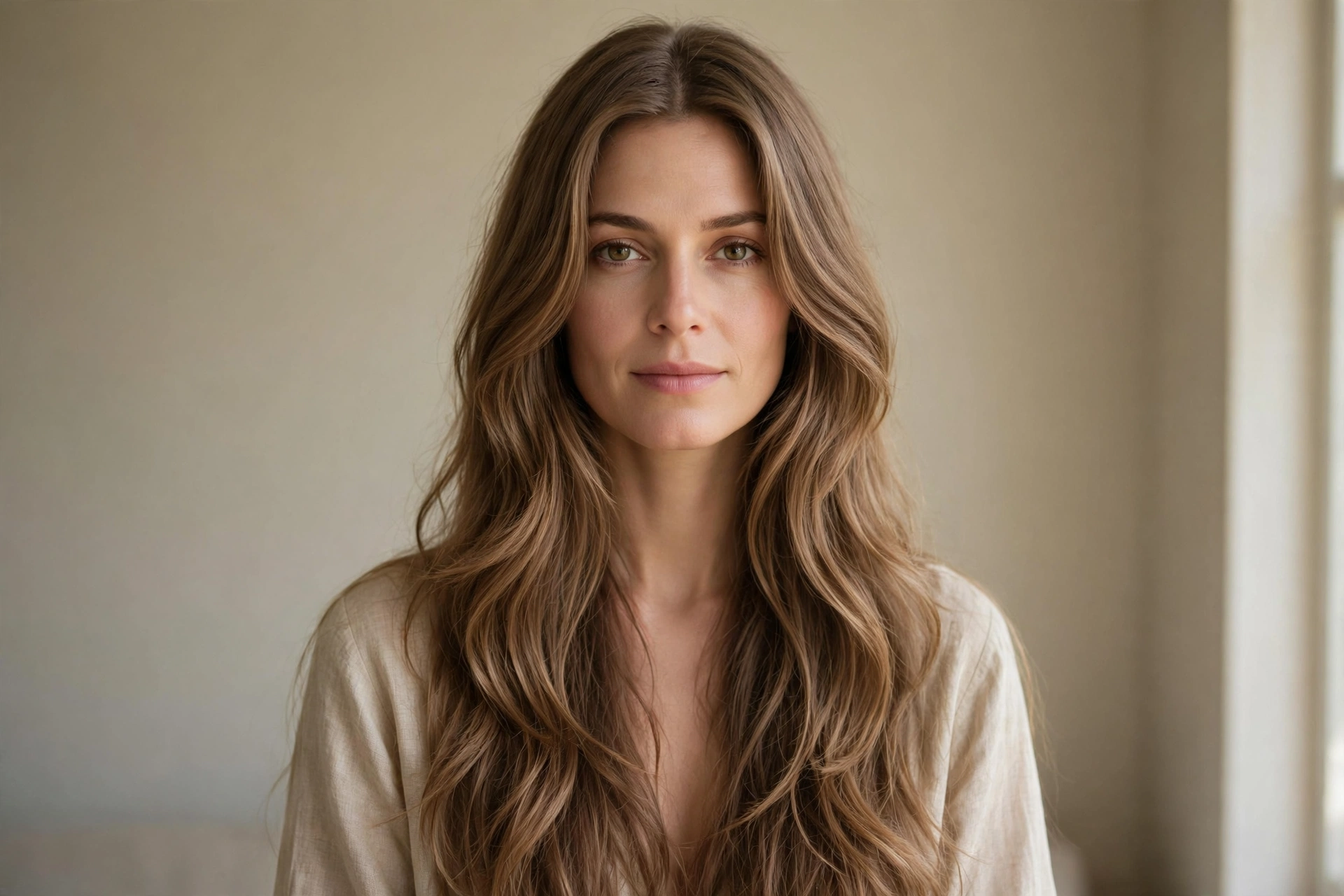
Worn by Joni Mitchell and Stevie Nicks, it asks almost nothing — shine serum and air-drying do the work. Add face-framing layers around the collarbone if your hair is very heavy.
8. The Shaggy Bob
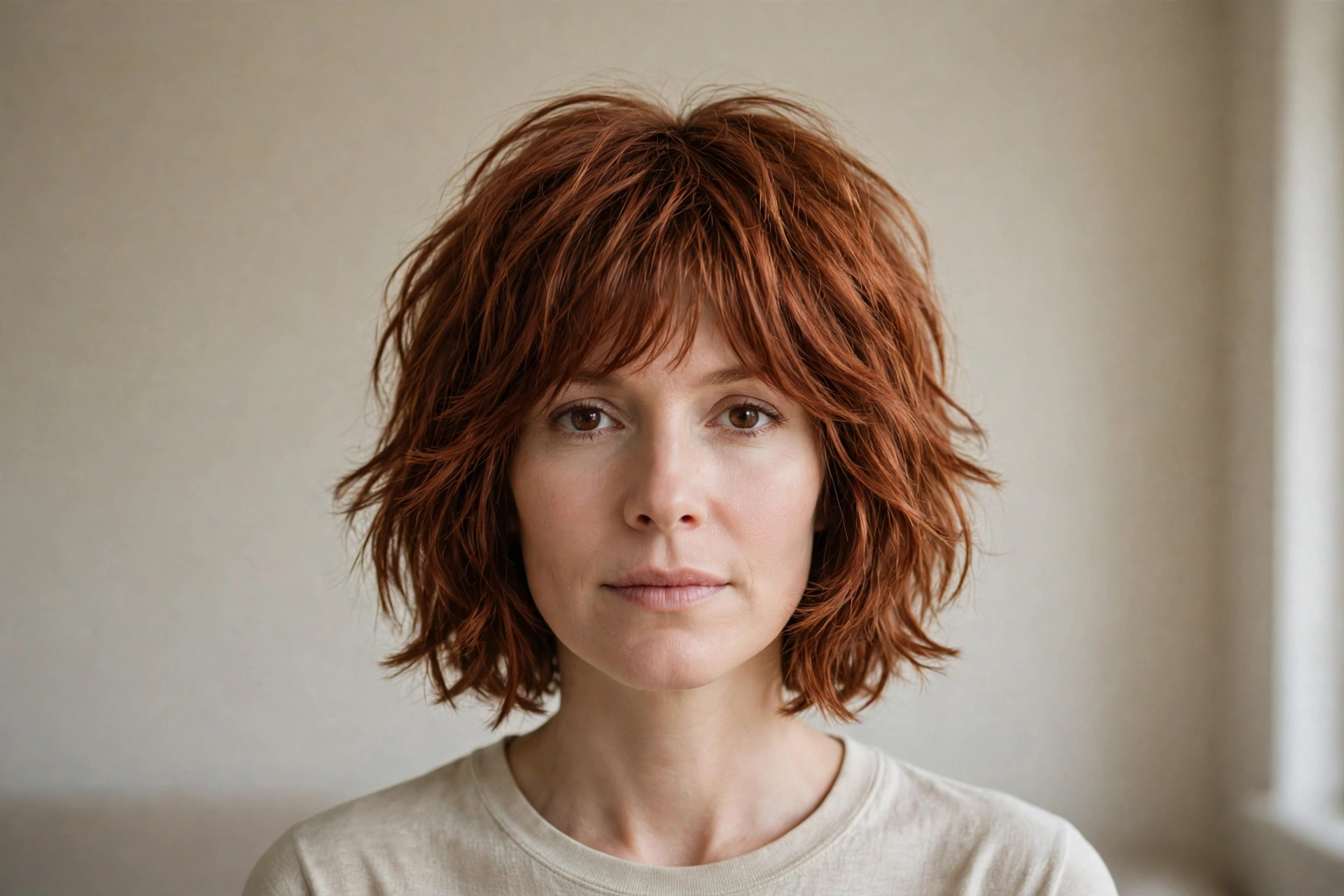
Jenna Ortega proves 70s hairstyles work short: a chin-length bob with internal layers and texture through the mid-lengths — edgy yet effortless. The cool-girl bob’s relaxed cousin: less mirror time, more personality. A deep side part adds attitude.
9. Birkin Bangs
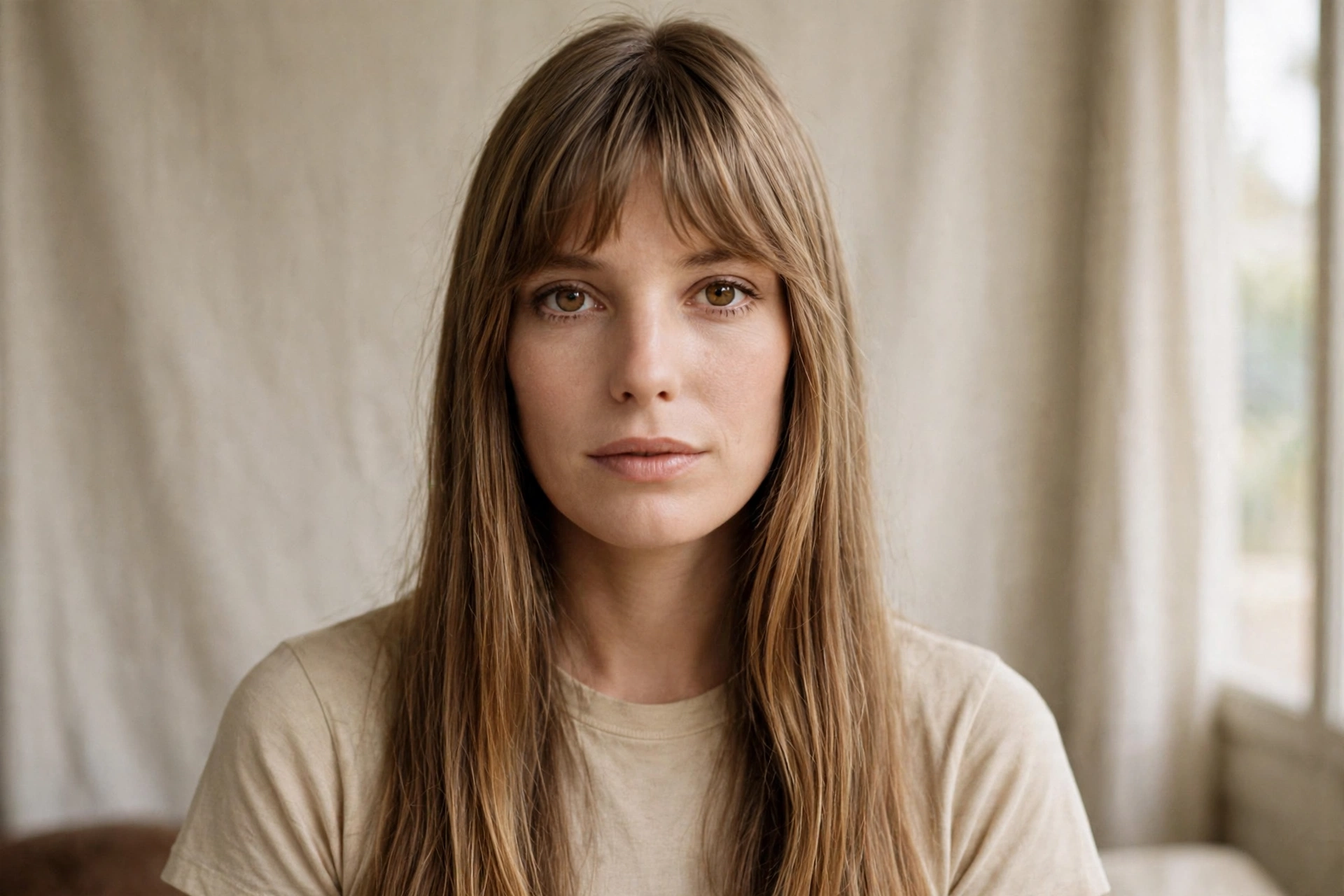
Jane Birkin’s wispy, barely-there fringe is the eternal boho muse — longer and looser than a blunt bang, worn to skim the lashes. It draws attention to the eyes while the rest stays simple and straight. Ask your stylist to keep the ends textured and feathered so they never look heavy.
10. Flipped-Out Ends
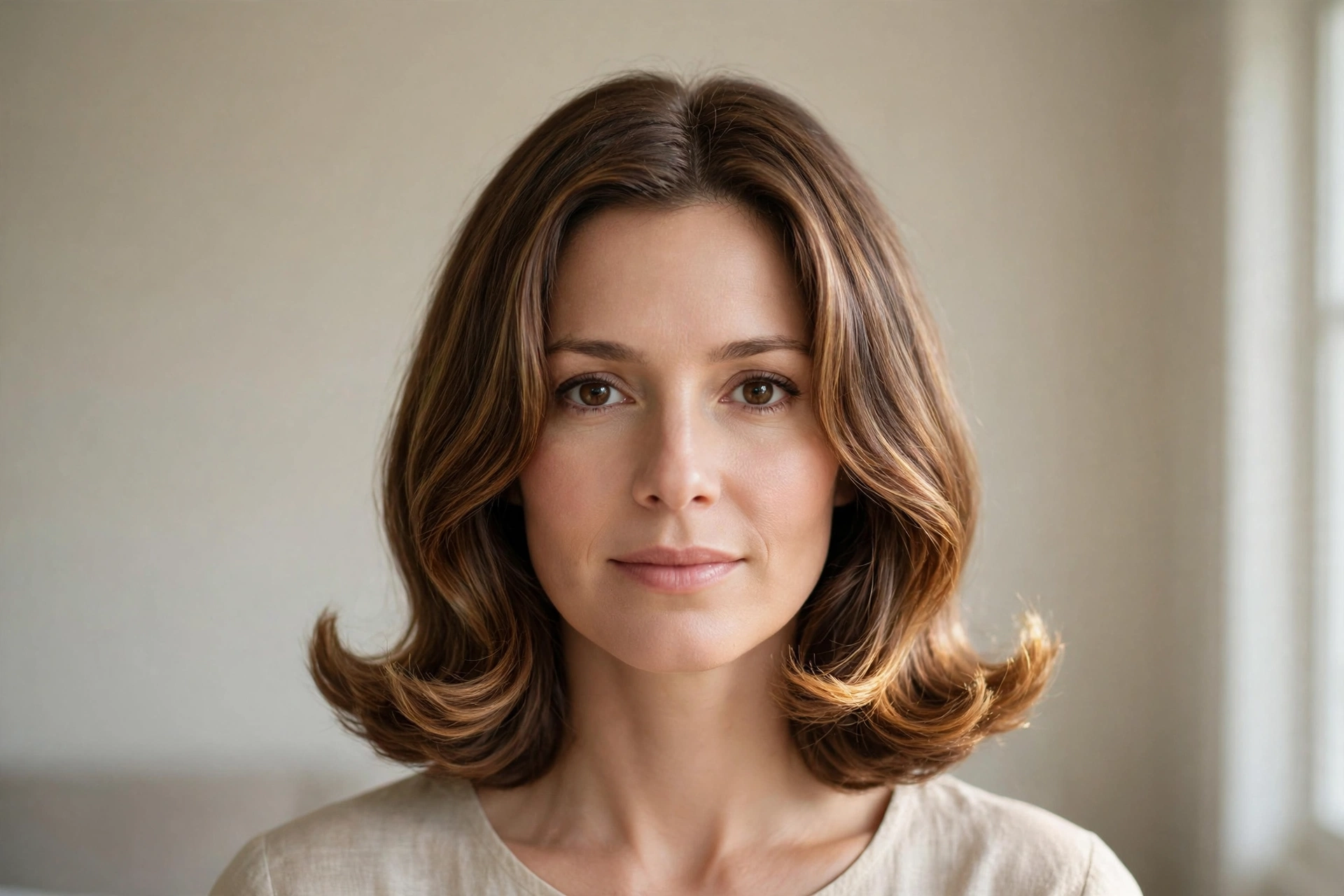
The shoulder-length flip is pure 70s optimism: blow-dried ends flicked outward with a round brush for bounce from every angle. It suits a side part and pairs well with caramel or honey highlights. To make the flip last, finish each section with cool air while the brush is still in.
11. The Butterfly Cut
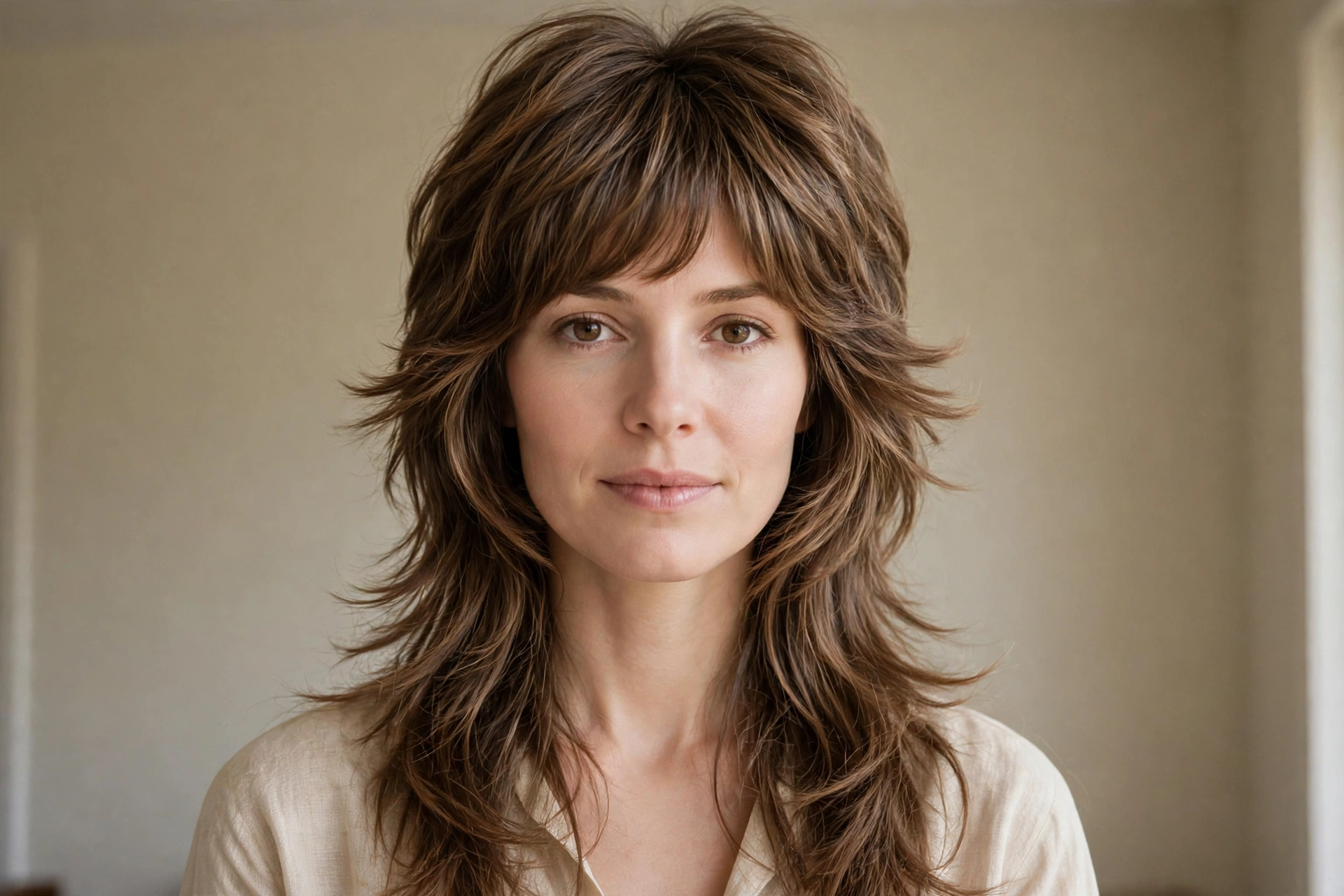
Essentially two 70s hairstyles in one — short, bouncy layers on top for crown volume, long lengths untouched at the back. The feathered look’s wilder sister, it gives fine hair thickness where it matters. Face-framing pieces around the cheeks tie both lengths together.
12. Gypsy Layers
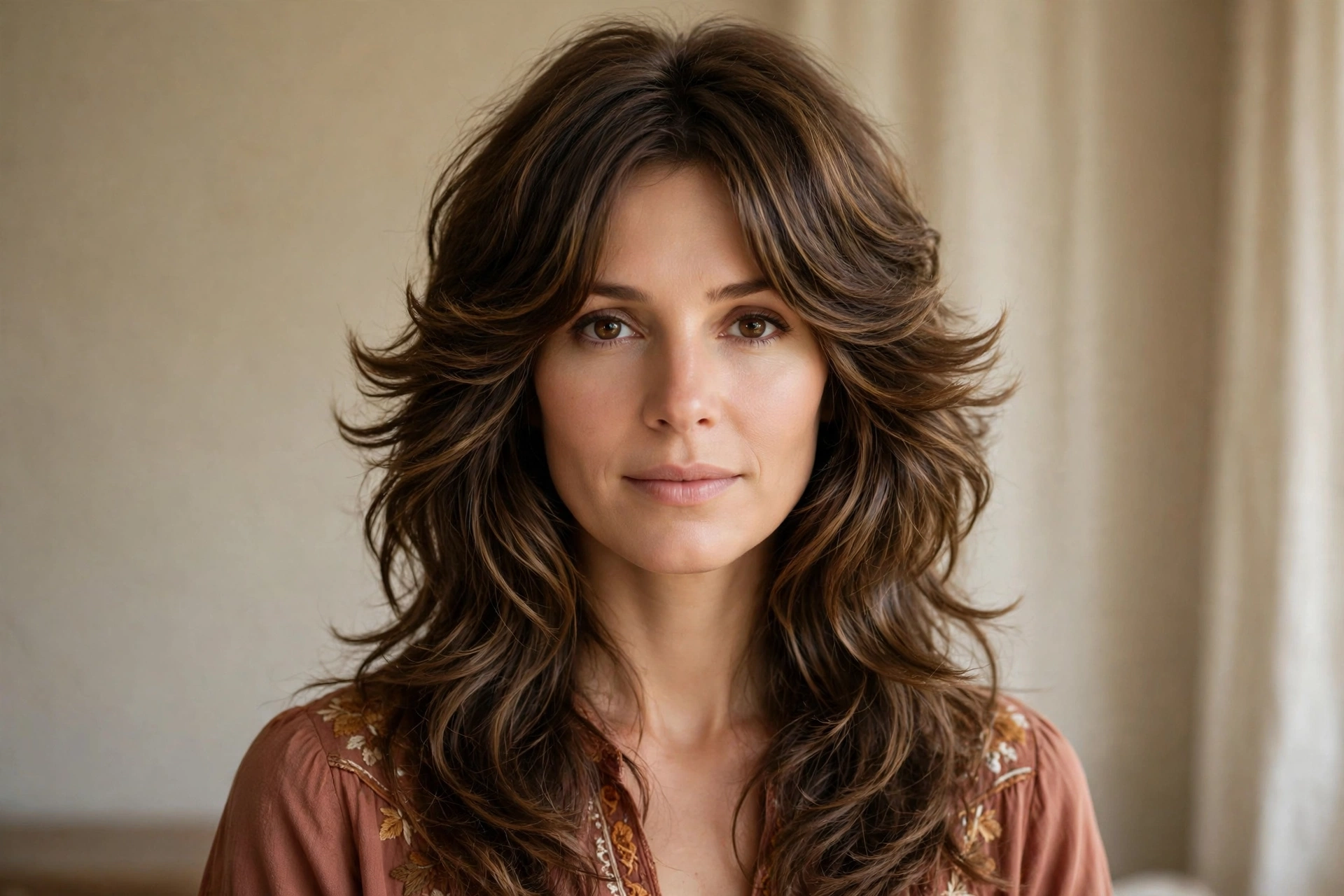
The fluid middle child between shag and mullet: long, sweeping layers shaped into a soft C around the face, with a thinned-out back that moves as you walk. If the front layers tuck behind your ears and fan out like wings, you’ve got it. Salt spray is all the styling it asks for.
📌 Save this for your next salon visit
Pin these 70s hairstyles to your hair-inspiration board so you can show your stylist exactly which version you want. Tap the Pinterest button above and save the whole collection — your future blowout will thank you.
How Do I Style 70s Hairstyles at Home?
For these 70s hairstyles you need three things: a volumizing mousse ($15–25 from brands like Kenra or L’Oréal), a blow dryer with a nozzle, and a round ceramic brush — 2 inches for shoulder length, 3 inches for longer. Lift at the roots, twist sections away from the face, and let each curl cool on the brush before releasing; that cool-down is the step everyone skips.
- Point the nozzle down the shaft. Drying downward smooths the cuticle and builds shine instead of frizz.
- Twist away from the face. Roll the brush backward through each section so feathered ends kick outward.
- Cool before you release. Hair sets as it cools — pull the brush out hot and the style drops flat within the hour.
- Diffuse for shag texture. Skip the brush and use a diffuser for the shag’s natural, undone texture.
- Go light on product. Heavy creams crush 70s movement; medium-hold hairspray is enough to finish.
On second or third day, the front sections refresh beautifully pulled back — our half up half down hairstyles guide has 14 ideas organized by hair type that pair perfectly with grown-out layers.
Shag vs. Feathered Layers: What’s the Real Difference?
Of all 70s hairstyles, these two get confused most: a shag is built on disconnection — shorter layers on top, choppier texture, traditionally razor-cut for shattered ends. Feathered layers are longer, more blended, and rely on the blowout for the winged effect. Shags suit thick, wavy textures; feathered layers flatter straight to slightly wavy hair that holds a blow-dry.
| Aspect | Shag | Feathered Layers |
|---|---|---|
| Layer structure | Shorter on top, disconnected, choppy | Long, blended, face-framing |
| How it’s made | Razor or point-cutting for shattered texture | Round brush + heat for the outward flip |
| Best hair type | Thick, wavy, textured hair | Straight to slightly wavy, medium density |
| Grow-out | Forgiving — blends into shaggy lengths | Grows into soft long layers |
| Upkeep | Trims every 6–8 weeks | Trims every 6–8 weeks, plus blowout time |
The 90s took the shag’s DNA and smoothed it sleeker — see our 90s hairstyles roundup for the same movement with a polished finish. For more stylist takes on the revival, the roundtable at The Right Hairstyles is worth a read.
FAQs
What is a 70s feathered haircut?
A 70s feathered haircut is long hair with face-framing layers cut to flip outward like feathers — Farrah Fawcett’s signature look. The cut uses graduated layers around the face; the styling (round brush, sections twisted away from the face) creates the winged effect. It flatters square and oval faces by pulling the eye outward.
How do I style 70s hair at home?
Apply volumizing mousse to damp roots, then blow-dry in sections with a round brush — 2-inch for shoulder length, 3-inch for longer. Twist each section away from your face, let it cool on the brush before releasing, and finish with medium-hold hairspray. Air-dry with salt spray for a softer shag texture.
What’s the difference between a shag and a feathered cut?
A shag has shorter, choppier layers on top with a disconnected, textured finish — traditionally razor-cut. A feathered cut has longer, blended layers that rely on the blowout for the winged flip. Shags suit thick, wavy hair; feathered layers suit straight to slightly wavy hair that holds a blow-dry.
Do 70s hairstyles work for fine hair?
Yes, with the right version. Feathered layers remove weight so fine hair moves instead of hanging flat, and the soft shag adds volume from roots to tips — stylists call it one of the most flattering cuts for fine hair. Avoid heavy, choppy layering at the ends, which can make fine hair look thinner.
How often should I trim a 70s shag?
Every six to eight weeks keeps a shag’s shape intact, since overgrown layers turn unruly fast. Feathered layers are more forgiving and can stretch to eight or ten weeks because they grow into soft long layers. Curtain bangs need a quick trim every three to four weeks to stay at cheekbone length.
Seventies hair was never about perfection — it was about movement, softness, and letting a good cut do the talking. Pick the 70s hairstyles that match your texture and your mornings, bring a photo to your stylist, and give the layers a few weeks to settle in.
💬 Which 70s hairstyle would you try first?
Tell me in the comments — feathered Farrah, soft shag, or full disco curls? And keep exploring: 80s hairstyles, 90s hairstyles, half up half down hairstyles, wedding hairstyles, and the full Hair & Nails collection.