
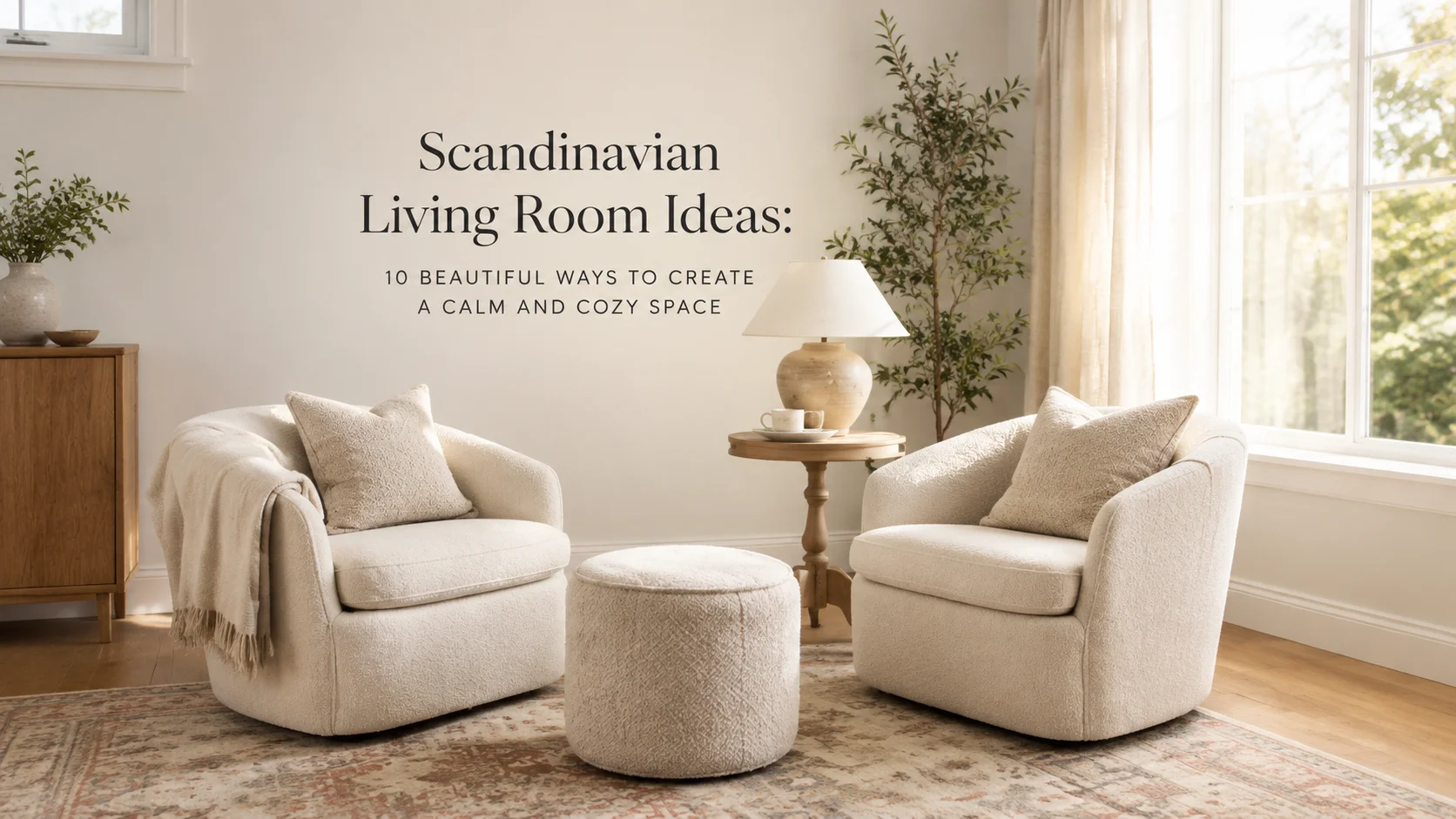
A Scandinavian living room is known for its simplicity, comfort, and timeless beauty. It combines clean lines with natural materials, soft colors, and practical furniture to create a space that feels peaceful without appearing cold or empty. This interior style originated in Nordic countries, where homes are designed to make the most of natural light while remaining warm and welcoming during long winters. The result is a balanced space that looks bright, organized, and effortlessly comfortable.
Whether you are decorating a spacious lounge or refreshing a small apartment, these Scandinavian living room ideas will help you create a stylish interior that remains practical for everyday life.
Table of Contents
Toggle1. Begin With a Soft Neutral Color Palette
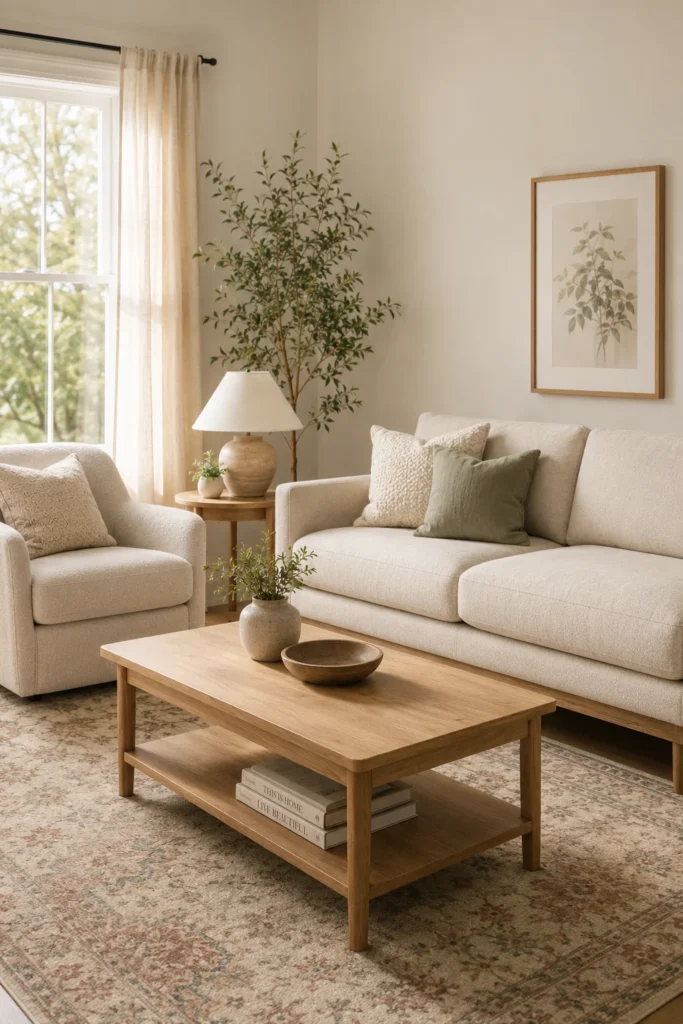
The foundation of a Scandinavian living room is usually a light and calming color palette. White, warm beige, cream, pale grey, and soft taupe help reflect natural light and make the room feel more spacious. Instead of using one shade throughout the entire room, layer several neutral tones. For example, combine off-white walls with a beige sofa, a light grey rug, and warm wooden furniture. These small color variations prevent the space from looking flat.
Muted colors such as sage green, dusty blue, clay, or soft brown can also be introduced through cushions, artwork, and decorative accessories. Keep these accents subtle so the room maintains its peaceful Scandinavian character.
2. Choose Simple and Functional Furniture
Scandinavian furniture is designed to be both beautiful and useful. Look for pieces with simple shapes, smooth finishes, and clean lines. Sofas with slim arms, tapered wooden legs, and low profiles work especially well. Avoid filling the room with too much furniture. Every item should have a purpose and enough surrounding space to breathe. A comfortable sofa, one or two accent chairs, a coffee table, and practical storage may be all you need.
Furniture made from oak, ash, pine, or beech introduces natural warmth. A light wooden coffee table can soften a white room, while a curved armchair can balance the straight lines of a modern sofa.
3. Bring Warmth Through Natural Wood
Wood is one of the most important materials in Scandinavian design. It creates a connection with nature and keeps neutral interiors from feeling overly plain. Light wood is the most traditional choice. It can be used for flooring, shelving, coffee tables, media consoles, and decorative objects. However, you can also mix pale wood with a few darker wooden details to create depth.
If your living room already has wooden flooring, allow part of it to remain visible around the rug. In rented homes, wooden side tables, floating shelves, or picture frames can introduce the same natural effect without requiring permanent changes.
4. Layer Cozy Textures
A minimalist room still needs softness. Layering different textures is one of the easiest ways to make a Scandinavian living room feel comfortable and inviting. Combine a woven rug with linen curtains, knitted cushions, wool throws, and soft upholstery. Bouclé or textured fabric can be used on an accent chair, while a chunky blanket adds warmth to the sofa. The key is to keep the textures within a coordinated color palette. Cream, oatmeal, grey, and muted brown materials can be mixed without making the room look busy.
During warmer months, use breathable fabrics such as cotton and linen. In winter, introduce thicker wool blankets and plush rugs for a more traditional hygge atmosphere.
5. Make the Most of Natural Light
Natural light is central to Scandinavian interiors. Keep windows open and uncluttered whenever possible. Lightweight curtains in white, cream, or pale grey will provide privacy without blocking too much daylight. Arrange larger pieces of furniture so they do not cover the windows. Placing a mirror opposite or beside a window can also help reflect light into darker areas of the room. If your living room does not receive much sunlight, use warm white paint rather than a cool, bright white. Warm undertones will make the room feel softer and prevent it from appearing dull on cloudy days.
6. Create a Warm Lighting Scheme
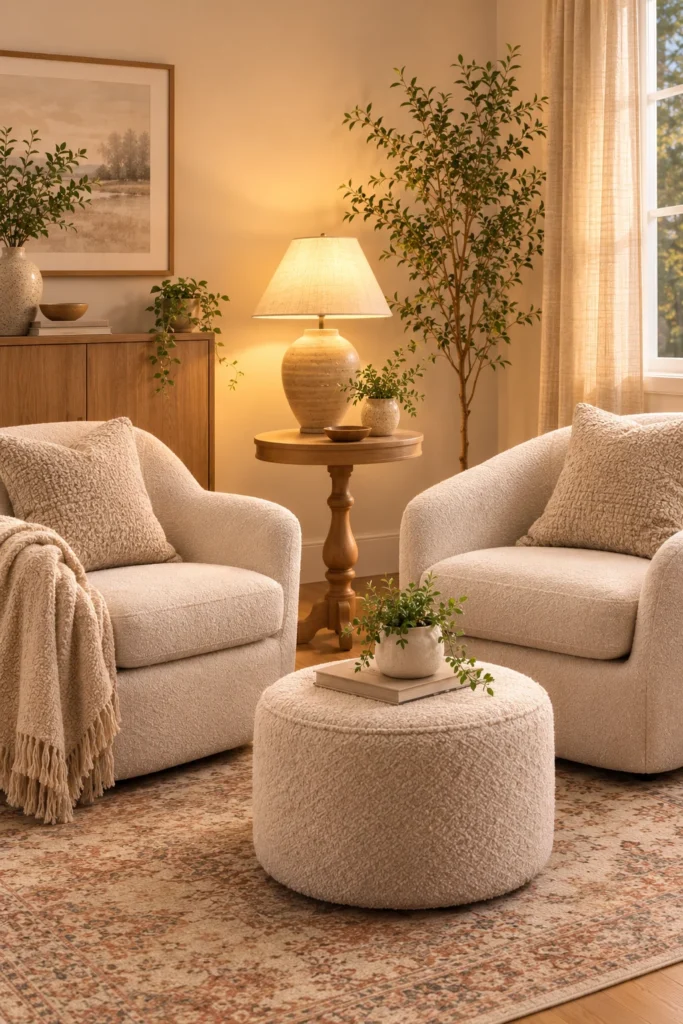
One ceiling light is rarely enough to create a cozy Scandinavian living room. Instead, use several light sources at different heights. A simple pendant light can provide general illumination, while floor lamps and table lamps create softer pools of light. Wall sconces are useful near a reading chair or above a console table. Select bulbs that produce a warm glow rather than harsh blue-white light. Lamps made from paper, frosted glass, wood, or natural fabric can also become decorative features. Candles are another easy way to introduce a sense of hygge. Place them safely on a coffee table, shelf, or windowsill to create a relaxed evening atmosphere.
7. Add Minimal but Meaningful Decoration
Scandinavian styling does not mean removing every decorative object. Instead, it encourages you to display fewer items with greater intention. Choose accessories that feel personal or functional, such as a favorite ceramic vase, a stack of books, a handmade bowl, or a framed photograph. Grouping two or three objects together usually looks more organized than spreading small decorations across every surface. A large piece of simple artwork can make a stronger statement than a crowded gallery wall. Abstract prints, landscapes, botanical illustrations, and black-and-white photography all complement this interior style.
Remember to leave some empty space. Clear areas allow your favorite pieces to stand out and contribute to the calm appearance of the room.
8. Introduce Greenery
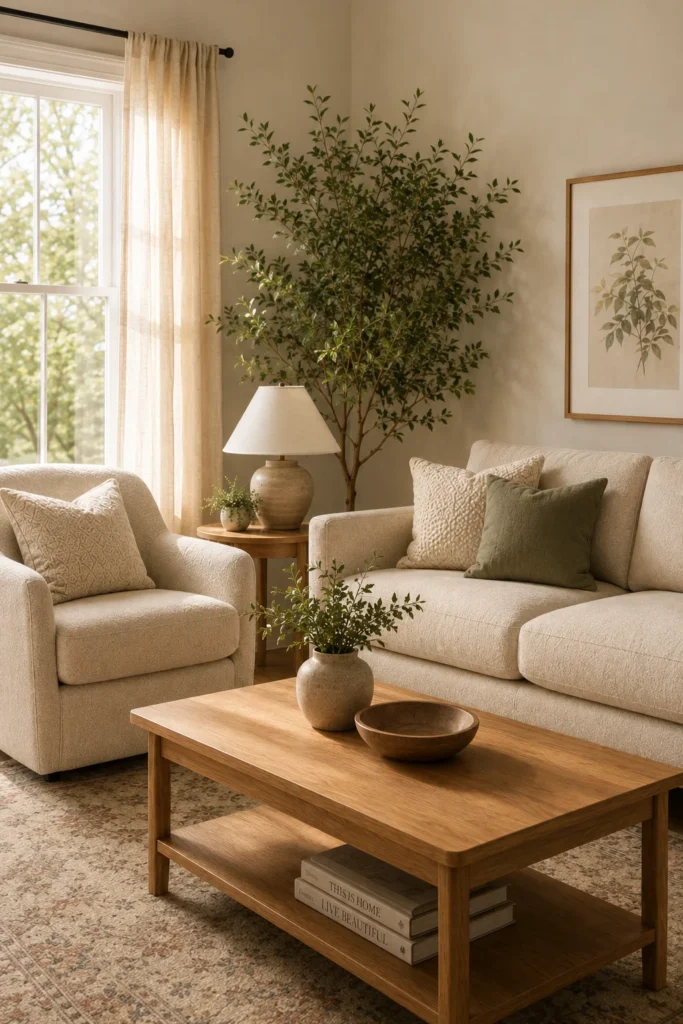
Plants add life and natural color without overwhelming a neutral interior. They can also soften the straight lines of furniture and architectural features. Choose one large plant for an empty corner or arrange a few smaller plants on shelves and side tables. Simple ceramic, terracotta, or woven planters work beautifully in a Scandinavian living room. If maintaining plants is difficult, use dried branches, eucalyptus, or seasonal flowers instead. Even a single branch in a tall glass vase can create an elegant Nordic-inspired display. Avoid overcrowding every surface with greenery. A few carefully positioned plants will maintain the clean and uncluttered look.
9. Use Smart Storage to Control Clutter
A tidy space is essential to Scandinavian design, but the room should still feel lived in. The best solution is storage that keeps everyday objects accessible while reducing visual clutter. Select a media console with closed cabinets for electronic accessories, games, and cables. Use woven baskets for blankets, toys, magazines, or remote controls. A coffee table with hidden storage can be especially helpful in a small living room. Open shelving should be styled carefully. Leave some sections empty and combine books with only a few decorative pieces. Matching storage boxes can keep smaller items organized while maintaining a consistent appearance. Regularly reviewing what you display will help preserve the room’s peaceful atmosphere.
10. Balance Minimalism With Personality
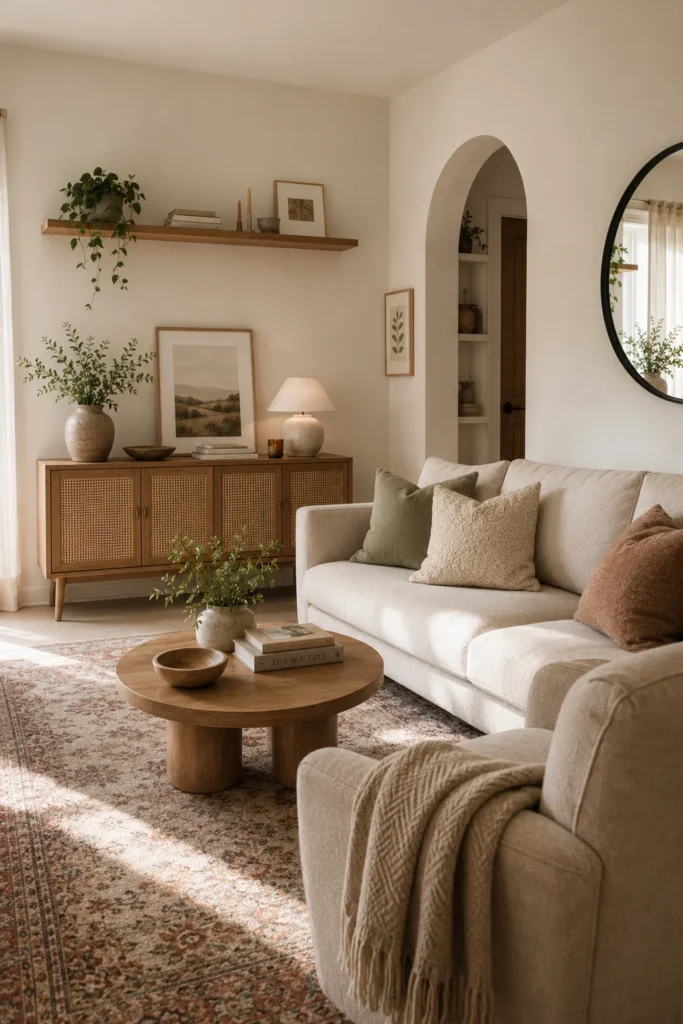
The most successful Scandinavian living room does not look like an untouched showroom. It should reflect the people who use it while maintaining a sense of order. Introduce personality through artwork, travel souvenirs, handmade ceramics, or vintage furniture. A colorful cushion or patterned rug can add character if the rest of the room remains understated. Mixing old and new pieces can also make the interior feel more authentic. For example, pair a modern sofa with a vintage wooden chair or place a contemporary lamp on an antique side table. The goal is not to follow every design rule perfectly. It is to create a room that feels simple, comfortable, and genuinely connected to your lifestyle.
Scandinavian Ideas for a Small Living Room
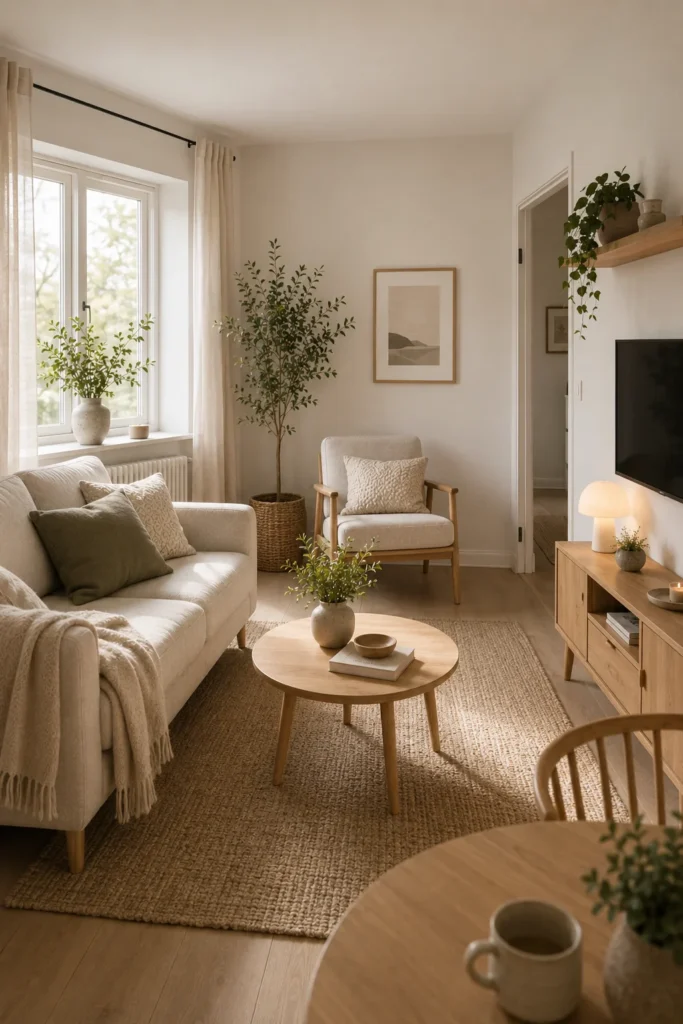
Scandinavian design is particularly suitable for small spaces because it focuses on light, functionality, and careful furniture placement. Choose furniture with raised legs so more of the floor remains visible. This creates the impression of openness. A compact sofa, nesting tables, or a storage ottoman can provide comfort without occupying unnecessary space. Use vertical areas by installing floating shelves or tall, narrow cabinets. Keeping the main color palette light will make the room feel larger, while one or two darker accents can provide contrast.
Avoid pushing every piece of furniture against the walls. Sometimes placing the sofa slightly forward can create a more intentional and comfortable arrangement.
Common Scandinavian Decorating Mistakes
Although this style appears simple, a few decorating choices can make the room feel unfinished or uncomfortable. Using too much pure white may create a cold atmosphere. Balance it with cream, beige, warm wood, and natural fabrics. Similarly, removing too many objects can make the room look empty rather than peaceful. Another common mistake is choosing furniture based only on appearance. Scandinavian interiors prioritize comfort and practicality, so every piece should work well for daily life.
Finally, avoid adding too many unrelated trends. Curved furniture, bold patterns, metallic accessories, and bright colors can be included, but they should support the overall design rather than compete for attention.
Final Thoughts
Creating a beautiful Scandinavian living room is about finding the right balance between minimalism and warmth. Begin with a soft neutral palette, select functional furniture, and introduce natural wood throughout the space. Layer comfortable textiles, improve the lighting, and decorate with a small collection of meaningful objects. Most importantly, allow the room to feel personal. Scandinavian design is not about creating a perfectly empty interior. It is about developing a calm, organized, and welcoming space that makes everyday life more comfortable.
With thoughtful furniture choices and a few natural details, your living room can achieve the light, cozy, and timeless character associated with Scandinavian homes.
Frequently Asked Questions
What colors are best for a Scandinavian living room?
White, cream, beige, pale grey, and soft taupe are excellent base colors. Muted green, dusty blue, brown, and black can be introduced as subtle accents.
How can I make Scandinavian decor feel warmer?
Use natural wood, warm lighting, woven rugs, linen curtains, knitted blankets, and textured cushions. Layering different materials will make the space feel cozy without creating clutter.
Can a Scandinavian living room include dark colors?
Yes. Black, charcoal, dark brown, or deep green can provide beautiful contrast. Use darker shades in smaller amounts through lighting, furniture legs, artwork, or accessories.
Is Scandinavian design suitable for small rooms?
Yes. Its light colors, practical furniture, clean lines, and smart storage solutions can make a small living room feel brighter and more spacious.
What is the difference between Scandinavian and minimalist design?
Both styles emphasize simplicity, but Scandinavian design usually feels softer and warmer. It includes natural materials, comfortable textiles, gentle colors, and elements associated with hygge.
Follow our Instagram and Facebook pages to get latest updates.